Pro Tips
Brown the meat well before adding liquids for deeper flavor. Low and slow cooking makes tough cuts tender.
Cooking Tips
Score the fat cap in a crosshatch pattern before cooking — this helps render the fat evenly and creates a crisper texture. Let pork rest for 5–10 minutes after cooking before slicing. This redistributes juices so every bite stays moist.
Ingredient Substitutions
No soy sauce? Use tamari (gluten-free), coconut aminos (paleo-friendly), or a mix of fish sauce and water for a different but delicious umami profile. For a low-sodium version, use light soy sauce or dilute regular soy sauce with a splash of water or broth. Pork alternatives: Chicken thighs work well in most pork recipes (they stay moist like pork does). For a leaner option, use turkey breast or firm tofu. Short on time? A pressure cooker (Instant Pot) can reduce cooking time by roughly half for most braised and stewed Filipino dishes. Reduce liquid slightly since less evaporates.
Storage & Reheating
Store in an airtight container in the refrigerator for up to 3–4 days. The flavors often deepen overnight, making leftovers even more delicious. Reheat on the stovetop over medium-low heat, adding a splash of water or broth if the sauce has thickened during storage. Microwave in 30-second bursts, stirring between each.
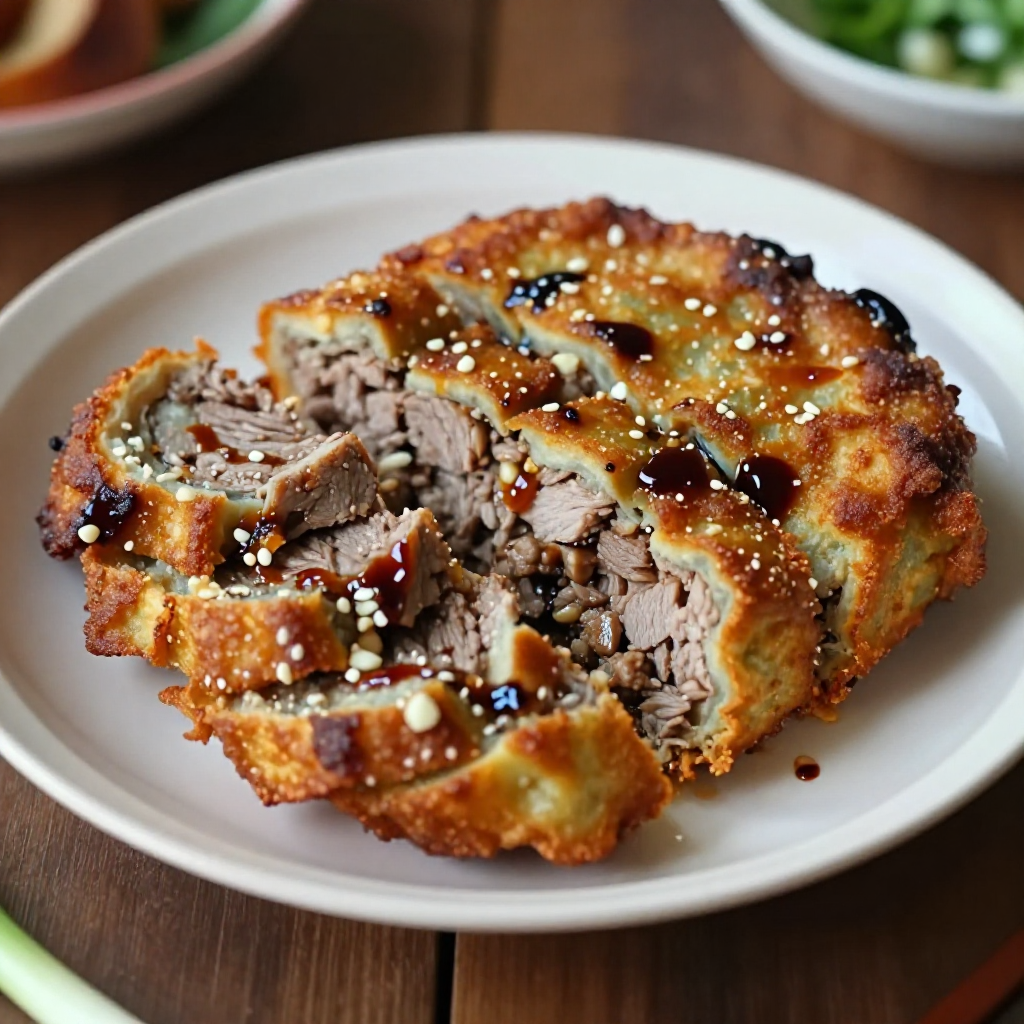
Inafoong
Inafoong is the Ilonggo answer to meatloaf, and it's something you'd find at fiestas and family gatherings across the Western Visayas. It's made from ground pork seasoned with soy sauce and garlic, then fried until crispy on the outside and juicy inside. After frying, it's sliced into thick pieces and smothered in a tangy, slightly sweet sauce made from the pork drippings, ketchup, and vinegar. Think of it as a Filipino pork loaf with its own sauce—
Instructions
- In a large mixing bowl, combine the ground pork, beaten eggs, chopped onion, minced garlic, soy sauce, fish sauce, breadcrumbs, and black pepper. Mix everything thoroughly with your hands until the mixture comes together nicely and feels slightly sticky. Add the diced carrots and bell pepper and fold them in gently—you want those colorful bits distributed throughout.
- Take the meat mixture and shape it into a thick oval or rectangular loaf, about 3 centimeters thick. Press it down firmly so it holds its shape, but don't pack it too tightly or it'll be dense. Set it aside while you heat up a large skillet or frying pan.
- Heat the cooking oil in the skillet over medium heat. Once the oil is hot, carefully place the meatloaf in the pan. Fry each side for about 6 to 8 minutes, turning it once or twice, until all sides are deep golden brown and the center reaches a safe internal temperature. Don't rush this step—the crust is what gives inafoong its characteristic texture.
- Remove the cooked meatloaf from the pan and let it rest on a cutting board for 5 minutes. This is important—rushing to slice a hot meatloaf will make it fall apart. Pour out most of the oil from the pan, leaving about a tablespoon of the flavorful drippings.
- In the same pan with the drippings, add the ketchup, vinegar, brown sugar, and water. Stir well over medium heat and let the sauce bubble and thicken for about 3 to 4 minutes. Taste and adjust—the sauce should be tangy with a hint of sweetness, like a Filipino ketchup-vinegar balance.
- Slice the rested meatloaf into thick pieces, about 2 centimeters each. Arrange the slices on a serving plate and generously ladle the warm sauce over the top. Inafoong is best served warm with steamed rice—the sauce is practically begging to be absorbed into every grain.
Kitchen Tools We Recommend
Cook Inafoong the easy way with the right tools. Shop our favorite kitchen essentials on Amazon — from reliable pots and pans to measuring tools that make Filipino cooking simpler.
🔥 Trending on Amazon right now — these products are selling fast. Check out what's climbing the charts.
As an Amazon Associate, I earn from qualifying purchases.
Pro Tips & Troubleshooting
Cooking Tips
Let pork rest for 5–10 minutes after cooking before slicing. This redistributes juices so every bite stays moist.
Substitutions
For a low-sodium version, use light soy sauce or dilute regular soy sauce with a splash of water or broth.
Pork alternatives: Chicken thighs work well in most pork recipes (they stay moist like pork does). For a leaner option, use turkey breast or firm tofu.
Short on time? A pressure cooker (Instant Pot) can reduce cooking time by roughly half for most braised and stewed Filipino dishes. Reduce liquid slightly since less evaporates.
Storage & Reheating
Reheat on the stovetop over medium-low heat, adding a splash of water or broth if the sauce has thickened during storage. Microwave in 30-second bursts, stirring between each.
Comments (0)
Leave a comment