Pro Tips
Brown the meat well before adding liquids for deeper flavor. Low and slow cooking makes tough cuts tender.
Cooking Tips
Score the fat cap in a crosshatch pattern before cooking — this helps render the fat evenly and creates a crisper texture. Let pork rest for 5–10 minutes after cooking before slicing. This redistributes juices so every bite stays moist. True to Ilocano tradition, this Inabara pairs wonderfully with a side of steamed rice and fresh bagoong (fermented shrimp paste) for an authentic regional experience.
Ingredient Substitutions
No soy sauce? Use tamari (gluten-free), coconut aminos (paleo-friendly), or a mix of fish sauce and water for a different but delicious umami profile. For a low-sodium version, use light soy sauce or dilute regular soy sauce with a splash of water or broth. Out of cane vinegar? White vinegar, apple cider vinegar, or rice vinegar all work — each brings its own subtle character. Avoid balsamic (too sweet) or distilled white (too harsh). Lemon or calamansi juice can replace vinegar in most marinades and braises. Add a pinch of sugar to balance the acidity. Pork alternatives: Chicken thighs work well in most pork recipes (they stay moist like pork does). For a leaner option, use turkey breast or firm tofu.
Storage & Reheating
Store in an airtight container in the refrigerator for up to 3–4 days. The flavors often deepen overnight, making leftovers even more delicious. Reheat on the stovetop over medium-low heat, adding a splash of water or broth if the sauce has thickened during storage. Microwave in 30-second bursts, stirring between each.

Inabara
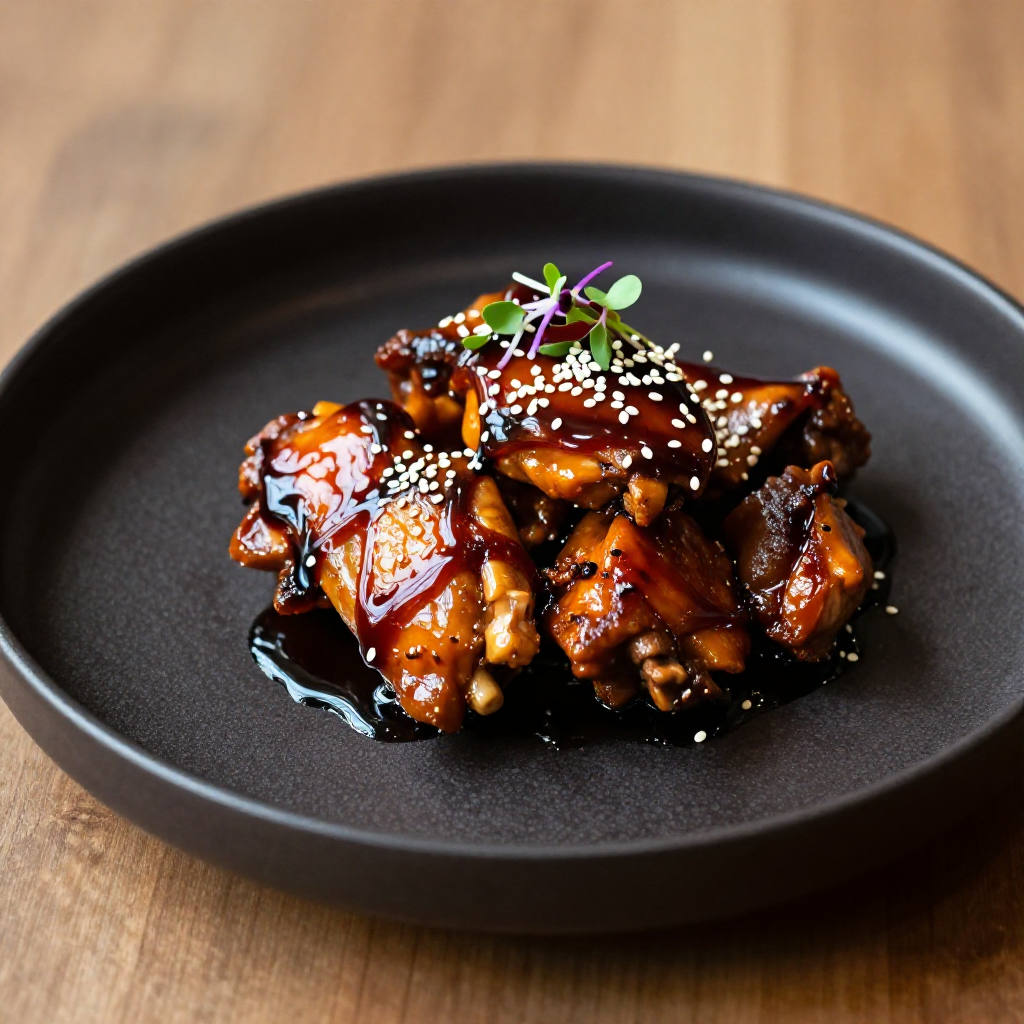
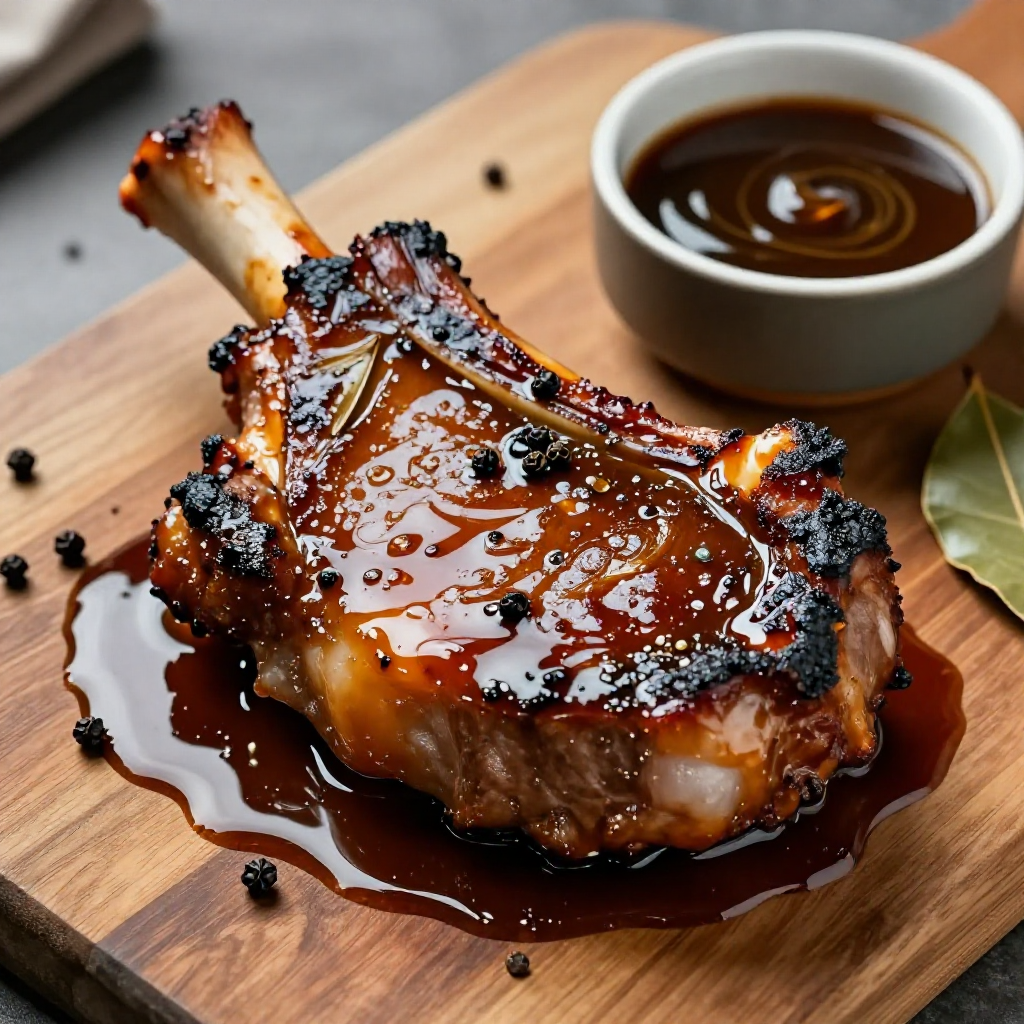
An Ilocano sweet and sour pork dish that's as simple as it is addictive. Thin strips of pork belly are sautéed with a generous pour of vinegar and a splash of brown sugar, creating a sticky, tangy glaze that clings to every bite. It's the kind of dish that disappears fast at the dinner table — especially with cold beer.
Instructions
- Heat the cooking oil in a wide pan or wok over medium-high heat. Add the minced garlic and sliced onion, sautéing until fragrant and softened — about 2 minutes.
- Add the pork belly strips and cook until they start to brown and release their fat. This takes about 5-7 minutes. Don't crowd the pan; if you have a lot of pork, do it in batches so the meat sears instead of steaming.
- Pour in the vinegar. It will hiss and steam aggressively — this is normal. Let it bubble and reduce for 3-4 minutes. The vinegar mellow's out as it cooks, leaving behind a pleasant tang rather than a sharp bite.
- Stir in the brown sugar, soy sauce, and crushed peppercorns. The sugar will dissolve into the vinegar, creating a sticky, dark glaze. Keep stirring as it thickens — this happens quickly, so don't walk away.
- Cook for another 2-3 minutes until the sauce has reduced to a glossy coating that clings to the pork. The pork should be tender but still have a little chew to it.
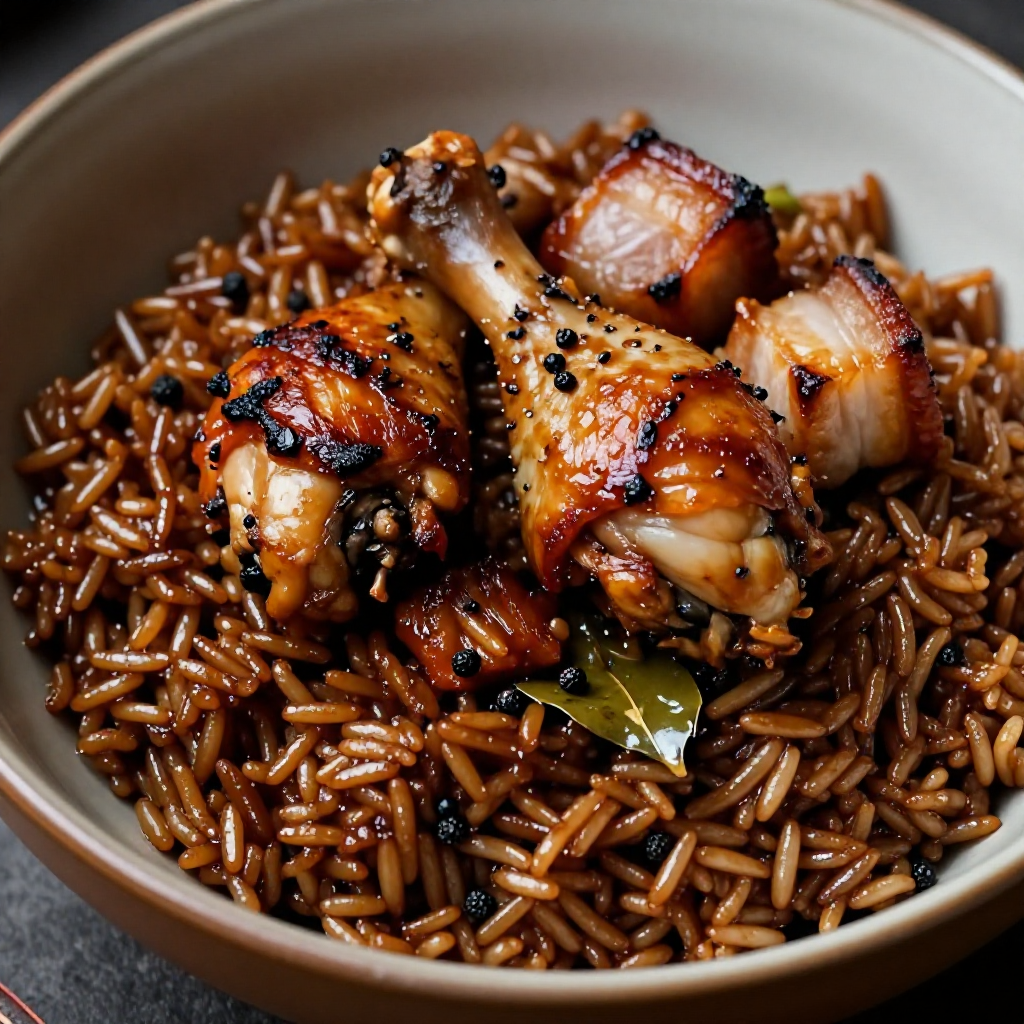
- Transfer to a serving plate and garnish with chopped spring onions. Serve hot with steamed rice. The sweet-sour balance is the whole point here — if it tastes too sweet, add a splash more vinegar. Too sour? A pinch more brown sugar.
Kitchen Tools We Recommend
Cook Inabara the easy way with the right tools. Shop our favorite kitchen essentials on Amazon — from reliable pots and pans to measuring tools that make Filipino cooking simpler.
🔥 Trending on Amazon right now — these products are selling fast. Check out what's climbing the charts.
As an Amazon Associate, I earn from qualifying purchases.
Pro Tips & Troubleshooting
Cooking Tips
Let pork rest for 5–10 minutes after cooking before slicing. This redistributes juices so every bite stays moist.
True to Ilocano tradition, this Inabara pairs wonderfully with a side of steamed rice and fresh bagoong (fermented shrimp paste) for an authentic regional experience.
Substitutions
For a low-sodium version, use light soy sauce or dilute regular soy sauce with a splash of water or broth.
Out of cane vinegar? White vinegar, apple cider vinegar, or rice vinegar all work — each brings its own subtle character. Avoid balsamic (too sweet) or distilled white (too harsh).
Lemon or calamansi juice can replace vinegar in most marinades and braises. Add a pinch of sugar to balance the acidity.
Pork alternatives: Chicken thighs work well in most pork recipes (they stay moist like pork does). For a leaner option, use turkey breast or firm tofu.
Storage & Reheating
Reheat on the stovetop over medium-low heat, adding a splash of water or broth if the sauce has thickened during storage. Microwave in 30-second bursts, stirring between each.
Comments (0)
Leave a comment