Pro Tips
**Chef's Tips & Troubleshooting:**
- Make sure the pan and oil are hot before adding ingredients for the best sear.
- Fry in batches to avoid overcrowding — lowering the temperature makes food greasy.
- Cut vegetables into uniform sizes for even cooking throughout the dish.
- For creamy vegetable dishes, simmer gently and stir frequently to prevent scorching on the bottom.
Cooking Tips
Blanch leafy vegetables in boiling salted water for 30–60 seconds, then plunge into ice water. This locks in their bright color and crisp texture. Add vegetables in stages — hard vegetables (carrots, potatoes) go in first, tender ones (leafy greens, beansprouts) at the very end.
Ingredient Substitutions
Short on time? A pressure cooker (Instant Pot) can reduce cooking time by roughly half for most braised and stewed Filipino dishes. Reduce liquid slightly since less evaporates.
Storage & Reheating
Store in an airtight container in the refrigerator for up to 3–4 days. The flavors often deepen overnight, making leftovers even more delicious. Reheat on the stovetop over medium-low heat, adding a splash of water or broth if the sauce has thickened during storage. Microwave in 30-second bursts, stirring between each.
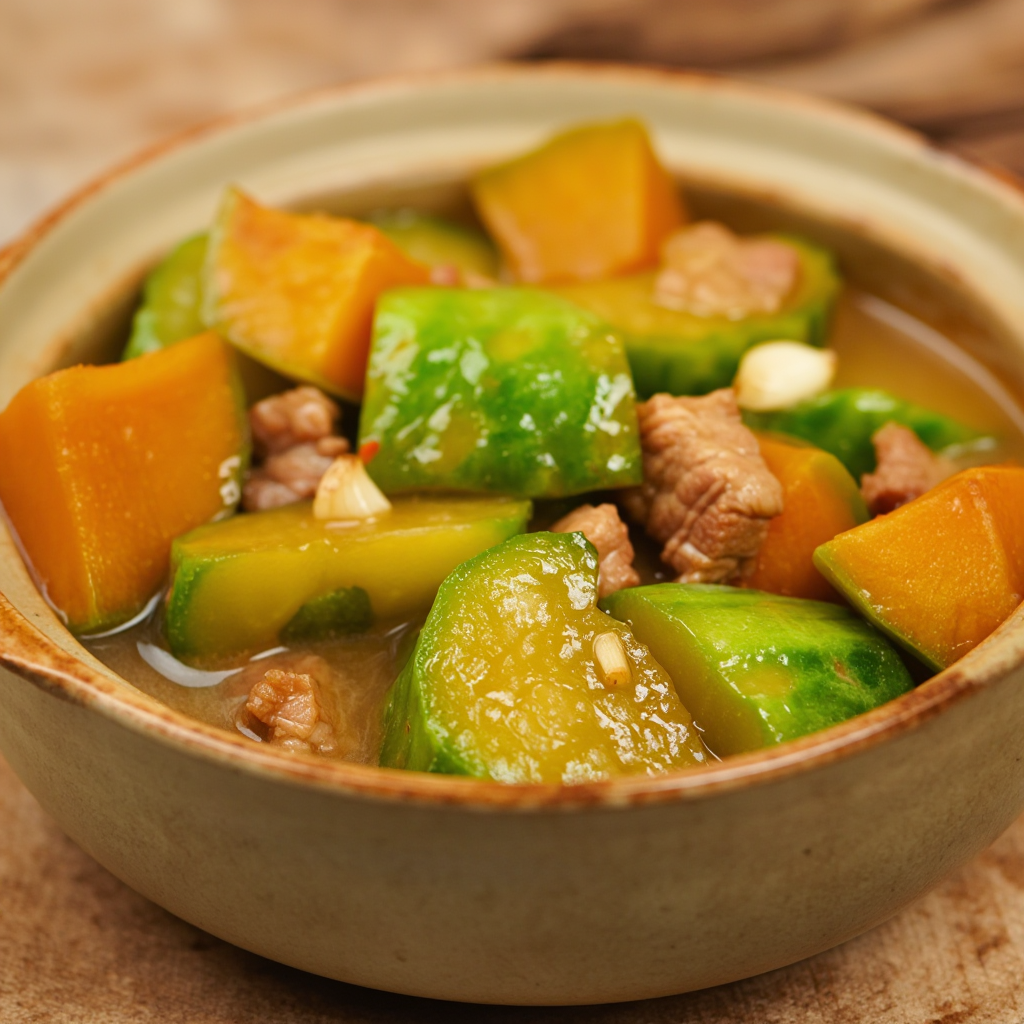
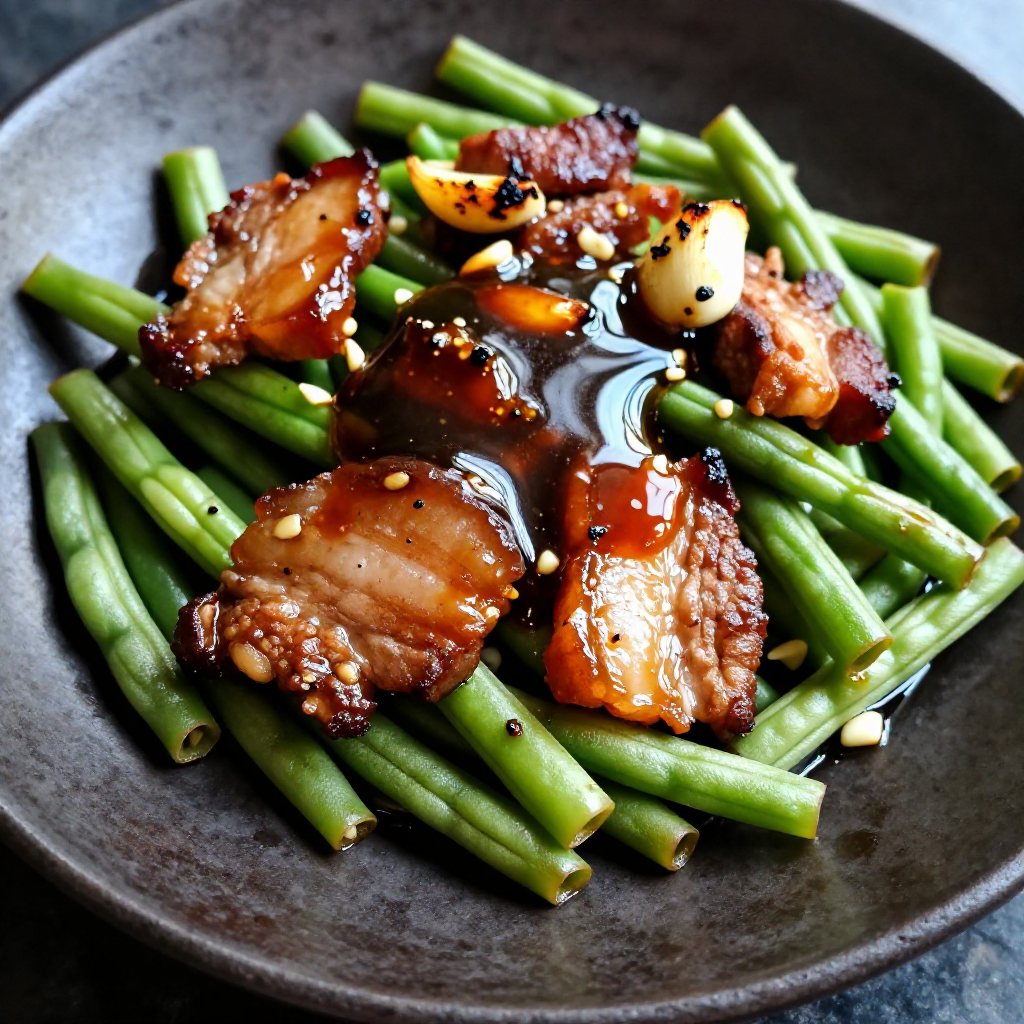
Ginisang Upo at Kalabasa - Sauteed Opo and Butternut Squash
Stir-fried upo at squash - sauteed opo and butternut squash sautéed with garlic, onions, and tomatoes in a classic Filipino preparation — a Filipino home-cooked favorite.
Instructions
- Heat over a cooking pot.
- Add sliced pork belly. Sear until oil gets extracted.
- Add onion, garlic, and tomato. Saute until the onion becomes soft.
- Pour water. Let boil. Cover the pot and continue to boil in low to medium heat until the water completely evaporates or the pork becomes tender. Note: add more water if needed.
- Put the kalabasa into the pot. Saute for 3 to 5 minutes. Note: use high heat when sautéing.
- Add upo. Continue to saute for 2 minutes.
- Season with fish sauce and ground black pepper
- Stir. You can add up to ½ cup water if you want your dish to have sauce in it
- Move to to a serving bowl. Serve with fried fish and rice.
Kitchen Tools We Recommend
Cook Ginisang Upo at Kalabasa - Sauteed Opo and Butternut Squash the easy way with the right tools. Shop our favorite kitchen essentials on Amazon — from reliable pots and pans to measuring tools that make Filipino cooking simpler.
🔥 Trending on Amazon right now — these products are selling fast. Check out what's climbing the charts.
As an Amazon Associate, I earn from qualifying purchases.
Pro Tips & Troubleshooting
- Make sure the pan and oil are hot before adding ingredients for the best sear.
- Fry in batches to avoid overcrowding — lowering the temperature makes food greasy.
- Cut vegetables into uniform sizes for even cooking throughout the dish.
- For creamy vegetable dishes, simmer gently and stir frequently to prevent scorching on the bottom.
Cooking Tips
Add vegetables in stages — hard vegetables (carrots, potatoes) go in first, tender ones (leafy greens, beansprouts) at the very end.
Substitutions
Storage & Reheating
Reheat on the stovetop over medium-low heat, adding a splash of water or broth if the sauce has thickened during storage. Microwave in 30-second bursts, stirring between each.
Comments (0)
Leave a comment