Pro Tips
**Chef's Tips & Troubleshooting:**
- Simmer coconut milk gently — boiling it on high heat can cause it to separate and curdle.
- Stir coconut milk dishes occasionally to prevent a skin from forming on the surface.
- Cut vegetables into uniform sizes for even cooking throughout the dish.
- Add a pinch of sugar to tomato-based vegetable dishes to balance acidity.
Cooking Tips
Pat the meat completely dry with paper towels before frying — moisture is the enemy of crispiness. Use a thermometer to maintain oil temperature at 350–375°F (175–190°C). If the oil is too cool, the food absorbs grease; too hot and it burns on the outside before cooking through.
Ingredient Substitutions
No coconut milk? For a richer alternative, blend canned coconut cream with water (1:1). For a lighter option, use evaporated milk with a splash of coconut extract. In a pinch, heavy cream or full-fat milk can replace coconut milk — the texture will be similar though the flavor profile changes. Short on time? A pressure cooker (Instant Pot) can reduce cooking time by roughly half for most braised and stewed Filipino dishes. Reduce liquid slightly since less evaporates.
Storage & Reheating
Store in an airtight container in the refrigerator for up to 3–4 days. The flavors often deepen overnight, making leftovers even more delicious. Crispy dishes are best enjoyed fresh — they lose their crunch when stored. If you must store leftovers, reheat in an air fryer or oven at 375°F (190°C) for 5–7 minutes to restore crispiness. Avoid microwaving crispy dishes — the steam makes the coating soggy. Use a toaster oven or stovetop skillet instead. Reheat on the stovetop over medium-low heat, adding a splash of water or broth if the sauce has thickened during storage. Microwave in 30-second bursts, stirring between each.

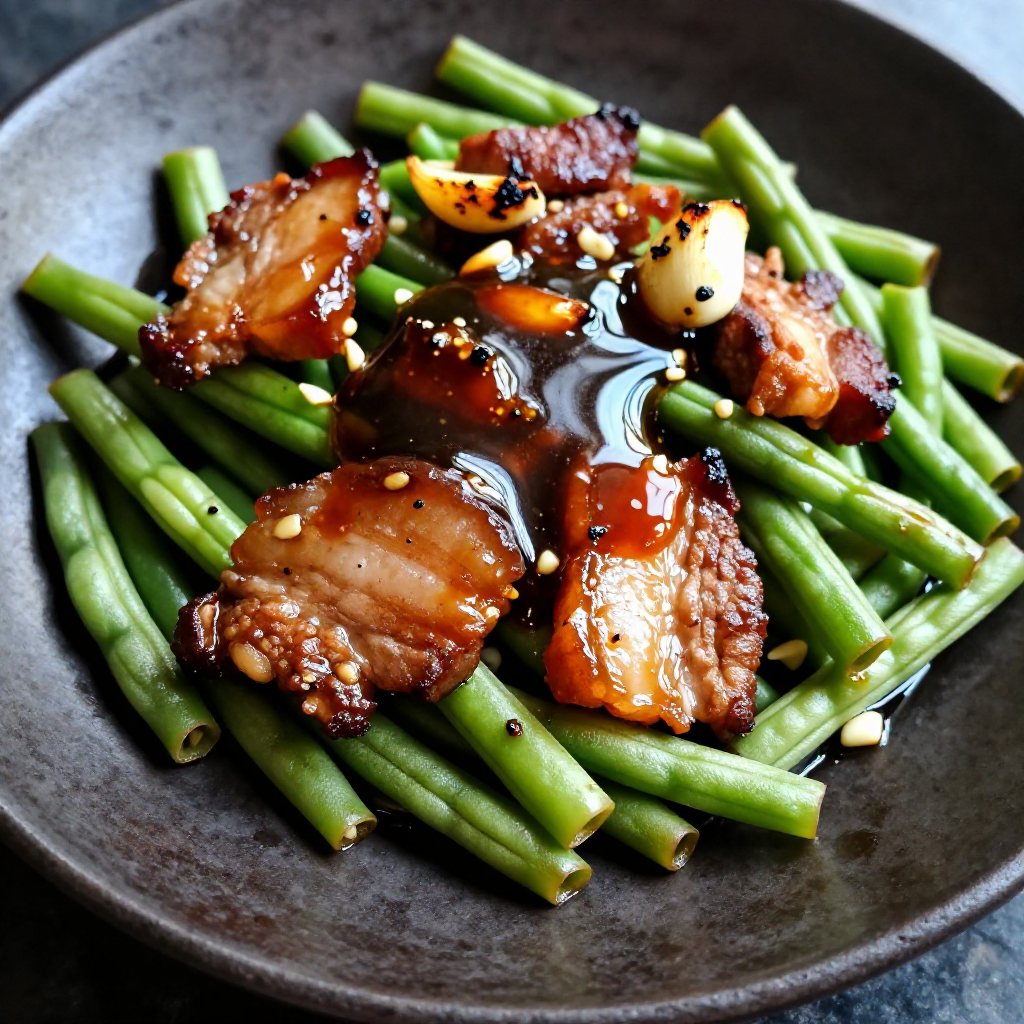
Ginataang Lechon Kawali with Kalabasa and Long Green Beans
squash cooked in rich coconut milk — creamy, mild, and deeply satisfying. A staple Filipino cooking method from the Bicol region.
Instructions
- Heat oil in a cooking pot
- Sauté onion for 20 to 30 seconds
- Add garlic. Continue to cook until the onion softens.
- Put the lechon kawali into the pot. Cook for 2 minutes.
- Combine Knorr Ginataang Gulay Recipe Mix with 1 ½ cups water. Stir. Pour the mixture into the cooking pot.
- Cover the pot. Continue to cook in medium heat for 45 minutes. Note: add more water if necessary.
- Add butternut squash or kalabasa. Cover the pot and cook for 5 minutes.
- Add long green beans. Cover the pot and continue to cook for 2 to 3 minutes.
- Season with ground black pepper and fish sauce
- Transfer to a serving bowl. Serve!
Kitchen Tools We Recommend
Cook Ginataang Lechon Kawali with Kalabasa and Long Green Beans the easy way with the right tools. Shop our favorite kitchen essentials on Amazon — from reliable pots and pans to measuring tools that make Filipino cooking simpler.
🔥 Trending on Amazon right now — these products are selling fast. Check out what's climbing the charts.
As an Amazon Associate, I earn from qualifying purchases.
Pro Tips & Troubleshooting
- Simmer coconut milk gently — boiling it on high heat can cause it to separate and curdle.
- Stir coconut milk dishes occasionally to prevent a skin from forming on the surface.
- Cut vegetables into uniform sizes for even cooking throughout the dish.
- Add a pinch of sugar to tomato-based vegetable dishes to balance acidity.
Cooking Tips
Use a thermometer to maintain oil temperature at 350–375°F (175–190°C). If the oil is too cool, the food absorbs grease; too hot and it burns on the outside before cooking through.
Substitutions
In a pinch, heavy cream or full-fat milk can replace coconut milk — the texture will be similar though the flavor profile changes.
Short on time? A pressure cooker (Instant Pot) can reduce cooking time by roughly half for most braised and stewed Filipino dishes. Reduce liquid slightly since less evaporates.
Storage & Reheating
Crispy dishes are best enjoyed fresh — they lose their crunch when stored. If you must store leftovers, reheat in an air fryer or oven at 375°F (190°C) for 5–7 minutes to restore crispiness.
Avoid microwaving crispy dishes — the steam makes the coating soggy. Use a toaster oven or stovetop skillet instead.
Reheat on the stovetop over medium-low heat, adding a splash of water or broth if the sauce has thickened during storage. Microwave in 30-second bursts, stirring between each.
Comments (0)
Leave a comment