Pro Tips
Look for etag with a deep mahogany color and firm texture. Slice thin against the grain before frying. Some prefer to boil the etag for 10 minutes first to reduce saltiness, then fry. Serve with bagoong, vinegar with ginger, or rice wine (tapuy) for the full Cordilleran experience.
Cooking Tips
Score the fat cap in a crosshatch pattern before cooking — this helps render the fat evenly and creates a crisper texture. Let pork rest for 5–10 minutes after cooking before slicing. This redistributes juices so every bite stays moist. Have all your ingredients prepped and measured before you start cooking — quick dishes leave no time for chopping mid-recipe.
Ingredient Substitutions
Pork alternatives: Chicken thighs work well in most pork recipes (they stay moist like pork does). For a leaner option, use turkey breast or firm tofu. Short on time? A pressure cooker (Instant Pot) can reduce cooking time by roughly half for most braised and stewed Filipino dishes. Reduce liquid slightly since less evaporates.
Storage & Reheating
Store in an airtight container in the refrigerator for up to 3–4 days. The flavors often deepen overnight, making leftovers even more delicious. Reheat on the stovetop over medium-low heat, adding a splash of water or broth if the sauce has thickened during storage. Microwave in 30-second bursts, stirring between each.

Etag
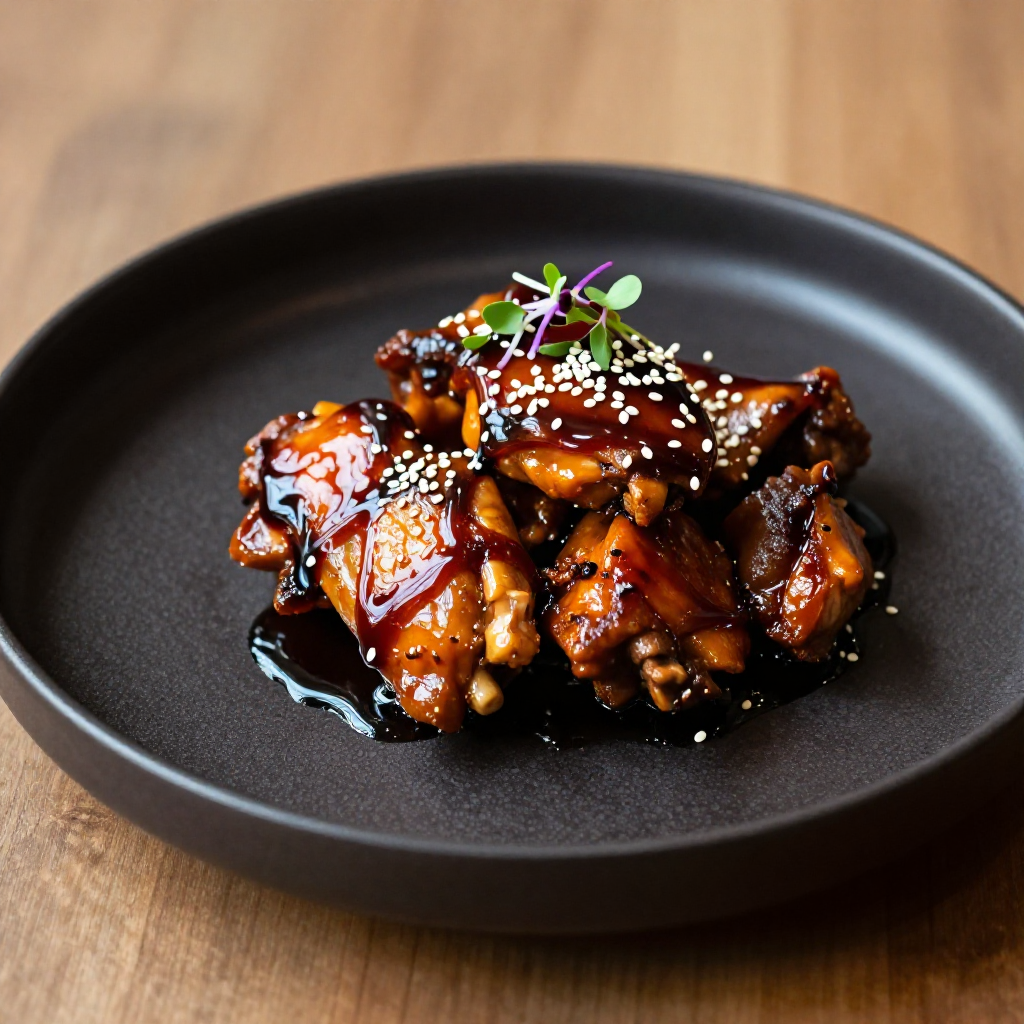
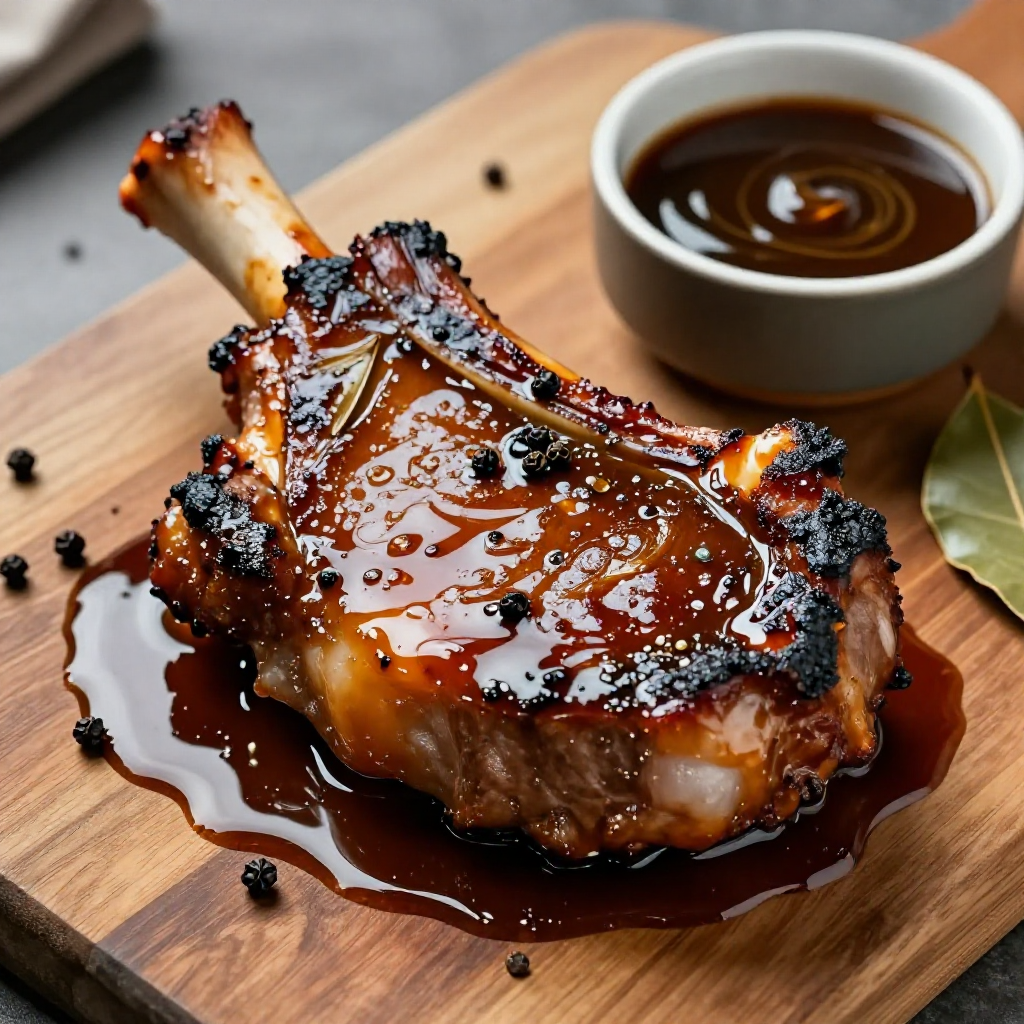
Etag is the crown jewel of Cordilleran preservation — pork belly or neck that has been rubbed with rock salt and slowly smoked over guava or rosewood fires for up to two weeks. The result is a deeply concentrated, smoky meat that carries the spirit of the mountain highlands. Each Igorot community — Bontoc, Kankana-ey, Ifugao — has its own variation. Etag is not merely food; it is cultural heritage, served at celebrations, used in offerings, and traded between villages. When sliced and fried, it develops a crackling exterior while remaining succulent within, making it the ultimate mountaintop delicacy.
Instructions
- If making from scratch: Rub the pork belly generously with rock salt, brown sugar, and cracked peppercorns. Ensure every surface is coated.
- Wrap the seasoned pork in banana leaves (traditional) or plastic wrap. Refrigerate and cure for at least 24 to 48 hours, turning the meat halfway through.
- After curing, rinse the pork briefly to remove excess salt and pat dry. Wrap in fresh banana leaves.
- Smoke the wrapped pork over low-heat guava or rosewood fire for 6 to 8 hours at low temperature (around 100°C / 212°F). The smoke should be gentle, not direct flame.
- Let the smoked pork hang in a cool, dry place for up to 2 more weeks for deeper flavor. The longer it cures, the more intense the smoky taste.
- To serve: Slice the etag thinly. Heat oil in a pan over medium heat.
- Fry the etag slices until golden and crackling on the edges, about 2-3 minutes per side. Add garlic slices in the last minute for extra aroma.
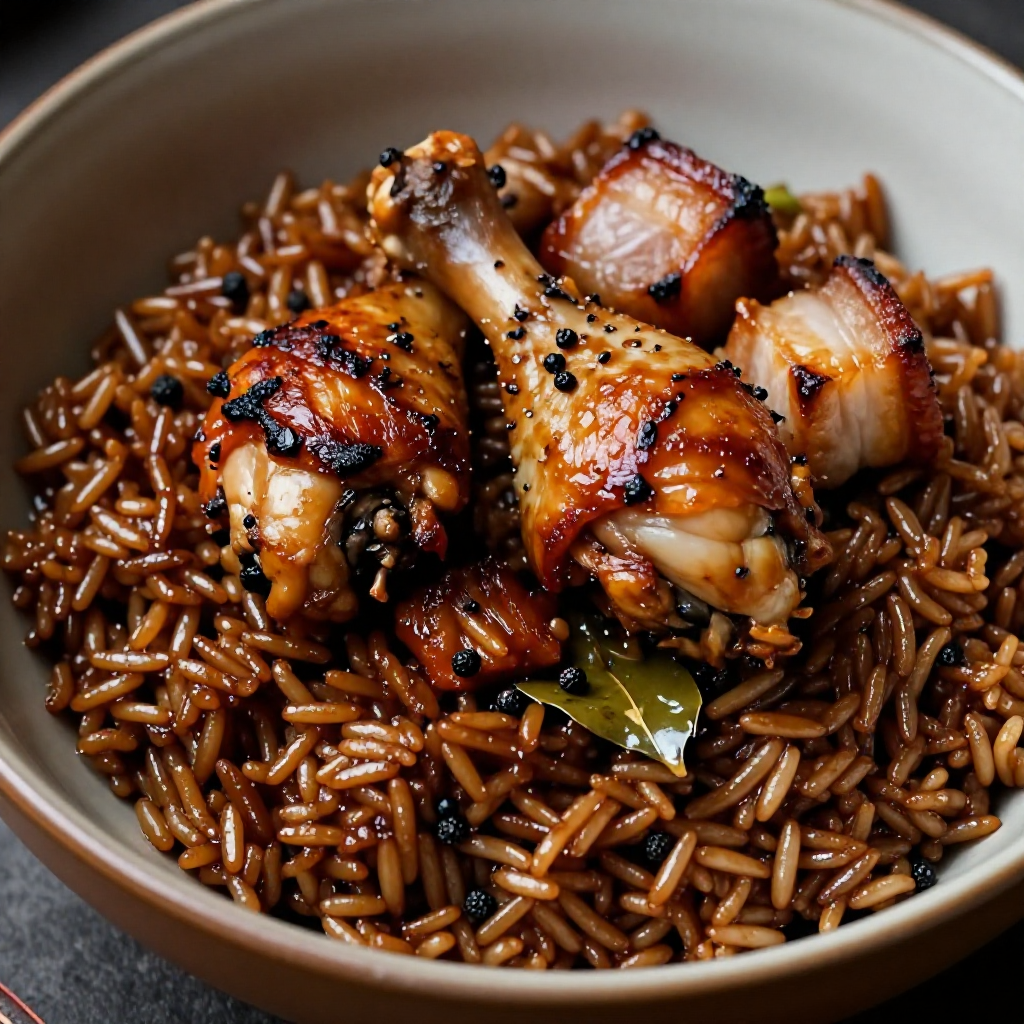
- Serve with steamed rice, bagoong, and a side of vinegar with ginger. Pair with tapuy (Cordilleran rice wine) for the authentic experience.
Kitchen Tools We Recommend
Cook Etag the easy way with the right tools. Shop our favorite kitchen essentials on Amazon — from reliable pots and pans to measuring tools that make Filipino cooking simpler.
🔥 Trending on Amazon right now — these products are selling fast. Check out what's climbing the charts.
As an Amazon Associate, I earn from qualifying purchases.
Pro Tips & Troubleshooting
Cooking Tips
Let pork rest for 5–10 minutes after cooking before slicing. This redistributes juices so every bite stays moist.
Have all your ingredients prepped and measured before you start cooking — quick dishes leave no time for chopping mid-recipe.
Substitutions
Short on time? A pressure cooker (Instant Pot) can reduce cooking time by roughly half for most braised and stewed Filipino dishes. Reduce liquid slightly since less evaporates.
Storage & Reheating
Reheat on the stovetop over medium-low heat, adding a splash of water or broth if the sauce has thickened during storage. Microwave in 30-second bursts, stirring between each.
Comments (0)
Leave a comment