Pro Tips
**Chef's Tips & Troubleshooting:**
Dinarikdikan relies on pork belly that's partially boiled first. Boil the pork for 20 minutes in salted water with ginger and onion, then drain and brown it in oil. This two-step process ensures tender meat with a caramelized exterior.
The coconut cream (makangata) is thicker than regular coconut milk and creates a richer, more luxurious sauce. If you can only find thin coconut milk, simmer it down by half before adding it to the dish.
Serve with extra steamed rice — dinarikdikan's sauce is designed to be spooned over rice. The pork, vegetables, and coconut sauce together make a complete meal that doesn't need a side dish.
Cooking Tips
For the most tender results, cook low and slow — a gentle simmer (not a vigorous boil) breaks down connective tissue without drying out the meat. Taste and adjust seasoning toward the end of cooking. As liquids reduce, flavors concentrate, so what tastes balanced early may become too salty later. Bicolanos love their heat — feel free to add extra siling labuyo (bird's eye chili) if you want a more authentic kick. The coconut milk (gata) will balance the spice beautifully.
Ingredient Substitutions
No coconut milk? For a richer alternative, blend canned coconut cream with water (1:1). For a lighter option, use evaporated milk with a splash of coconut extract. In a pinch, heavy cream or full-fat milk can replace coconut milk — the texture will be similar though the flavor profile changes. Pork alternatives: Chicken thighs work well in most pork recipes (they stay moist like pork does). For a leaner option, use turkey breast or firm tofu. Short on time? A pressure cooker (Instant Pot) can reduce cooking time by roughly half for most braised and stewed Filipino dishes. Reduce liquid slightly since less evaporates.
Storage & Reheating
Store in an airtight container in the refrigerator for up to 3–4 days. The flavors often deepen overnight, making leftovers even more delicious. Reheat on the stovetop over medium-low heat, adding a splash of water or broth if the sauce has thickened during storage. Microwave in 30-second bursts, stirring between each.
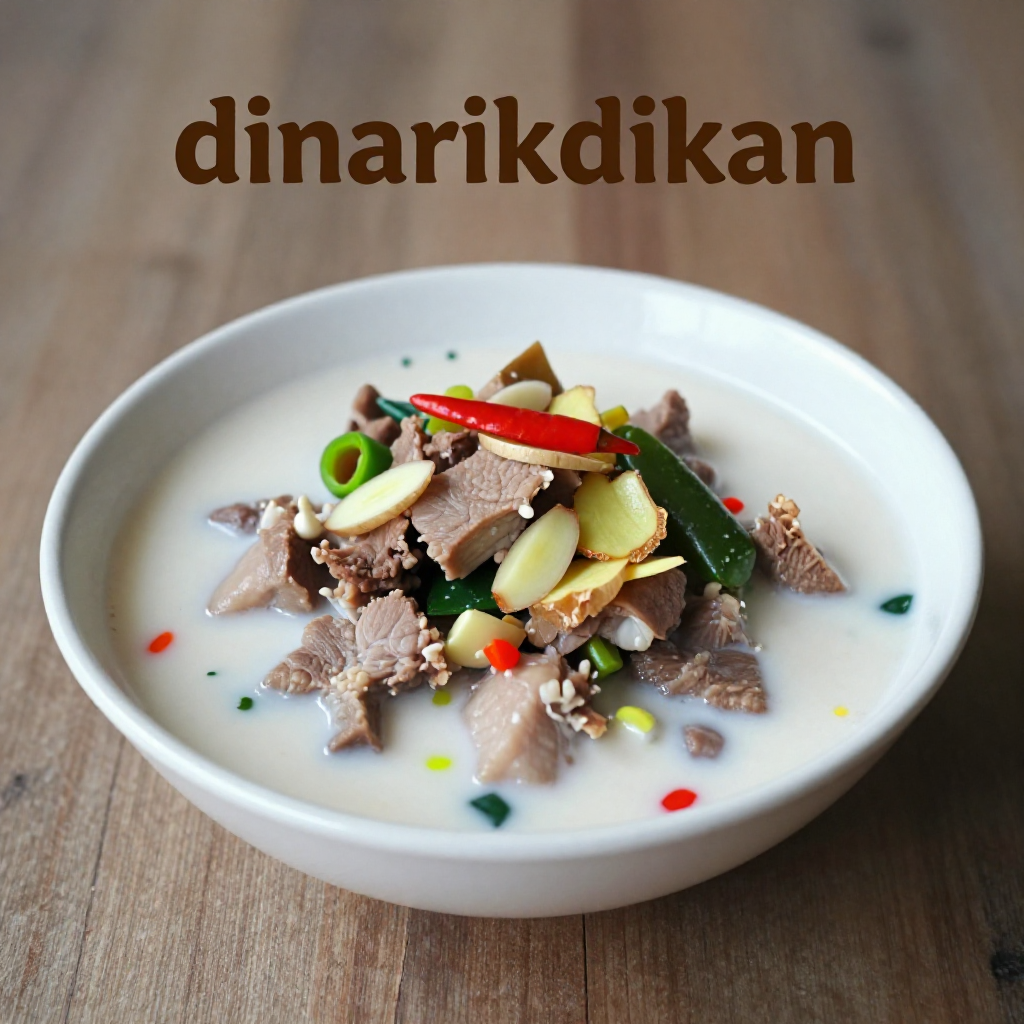
Dinarikdikan
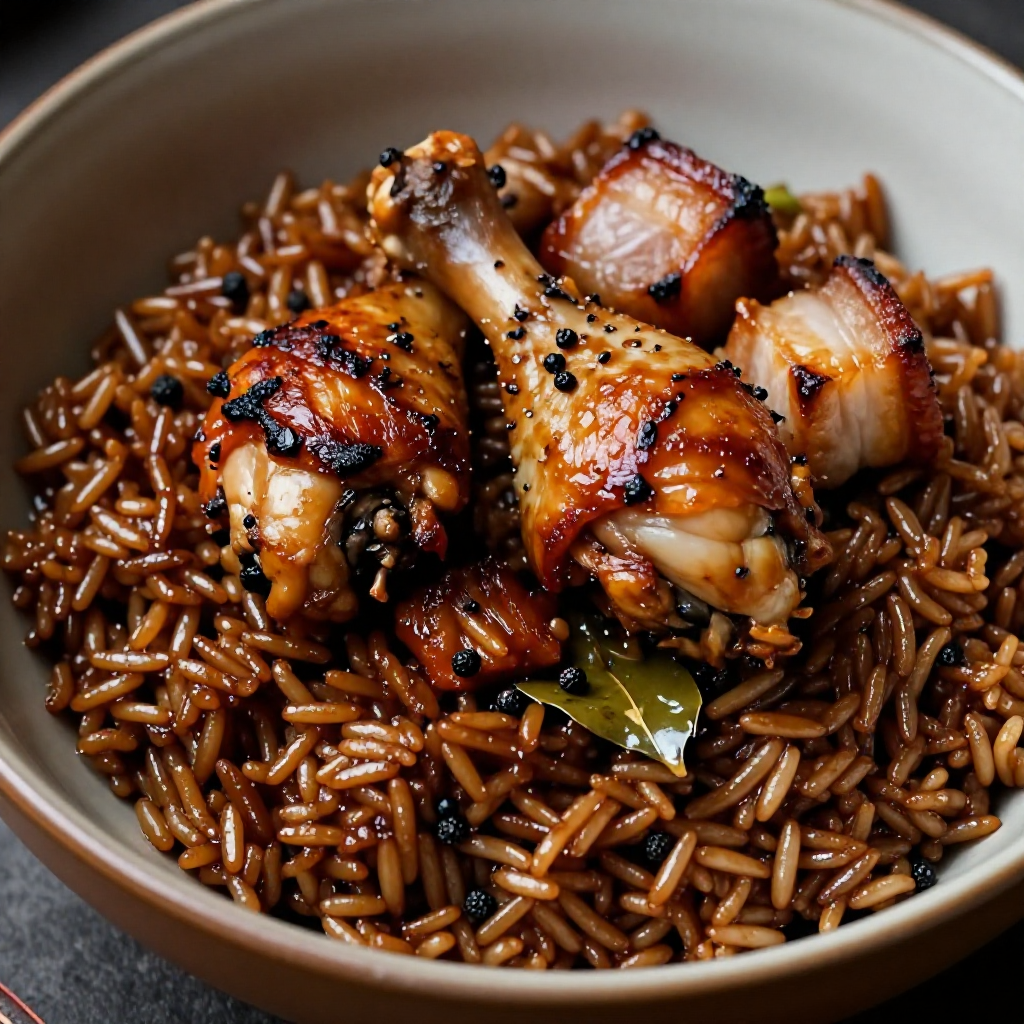
Dinarikdikan is a lesser-known Bicolano treasure — a hearty pork and vegetable stew braised in thick coconut milk with ginger, garlic, and a moderate level of chili heat. The word 'dinarikdikan' comes from the Bicolano word for stirring or mixing, reflecting how the dish comes together through slow, patient simmering. It's the kind of meal that brings a Bicolano family together on a Sunday afternoon, served with bowls of white rice.
Instructions
- Season the pork shoulder and pork belly chunks with salt and ground black pepper. Heat cooking oil in a large pot or caldero over medium-high heat. Sear the pork pieces on all sides until they develop a golden-brown crust, about 5-6 minutes total. This step builds the base flavor of the stew.
- Reduce heat to medium and add the smashed garlic, sliced ginger, and quartered onions. Sauté for 2-3 minutes until fragrant and the onions start to soften. The ginger is the key aromatic in dinarikdikan — don't skimp on it.
- Pour in the coconut cream (the thicker mangangata part) and stir well, scraping up the browned bits from the bottom of the pot. Let it simmer for 3-4 minutes until you see oil starting to separate, which means the coconut cream has reduced and intensified.
- Add the coconut milk, tomatoes, siling haba, siling labuyo, and fish sauce. Bring to a gentle simmer and let the pork cook for about 30 minutes, partially covered, until the meat is fork-tender. Stir occasionally and add a splash of water if the liquid reduces too much.
- Once the pork is tender and the sauce has thickened into a rich, creamy consistency, taste and adjust the seasoning. The dish should have a nice balance of creaminess from the coconut, warmth from the ginger and chili, and savory depth from the pork and fish sauce.
- Just before serving, stir in the malunggay leaves and let them wilt for about 30 seconds. Ladle into deep bowls and serve with steamed white rice. The rice is essential — it soaks up the thick coconut sauce beautifully.
Kitchen Tools We Recommend
Cook Dinarikdikan the easy way with the right tools. Shop our favorite kitchen essentials on Amazon — from reliable pots and pans to measuring tools that make Filipino cooking simpler.
🔥 Trending on Amazon right now — these products are selling fast. Check out what's climbing the charts.
As an Amazon Associate, I earn from qualifying purchases.
Pro Tips & Troubleshooting
Dinarikdikan relies on pork belly that's partially boiled first. Boil the pork for 20 minutes in salted water with ginger and onion, then drain and brown it in oil. This two-step process ensures tender meat with a caramelized exterior.
The coconut cream (makangata) is thicker than regular coconut milk and creates a richer, more luxurious sauce. If you can only find thin coconut milk, simmer it down by half before adding it to the dish.
Serve with extra steamed rice — dinarikdikan's sauce is designed to be spooned over rice. The pork, vegetables, and coconut sauce together make a complete meal that doesn't need a side dish.
Cooking Tips
Taste and adjust seasoning toward the end of cooking. As liquids reduce, flavors concentrate, so what tastes balanced early may become too salty later.
Bicolanos love their heat — feel free to add extra siling labuyo (bird's eye chili) if you want a more authentic kick. The coconut milk (gata) will balance the spice beautifully.
Substitutions
In a pinch, heavy cream or full-fat milk can replace coconut milk — the texture will be similar though the flavor profile changes.
Pork alternatives: Chicken thighs work well in most pork recipes (they stay moist like pork does). For a leaner option, use turkey breast or firm tofu.
Short on time? A pressure cooker (Instant Pot) can reduce cooking time by roughly half for most braised and stewed Filipino dishes. Reduce liquid slightly since less evaporates.
Storage & Reheating
Reheat on the stovetop over medium-low heat, adding a splash of water or broth if the sauce has thickened during storage. Microwave in 30-second bursts, stirring between each.
Comments (0)
Leave a comment