Pro Tips
**Chef's Tips & Troubleshooting:**
- For adobo-style dishes, let the vinegar boil uncovered for 2-3 minutes to mellow its raw acidity.
- Use equal parts soy sauce and vinegar for a balanced savory-sour adobo sauce.
- Bay leaves add earthy depth to adobo — add them early but remove before serving if desired.
- Add annatto seeds to the oil for natural golden-orange color in pork dishes.
Cooking Tips
Pat the meat completely dry with paper towels before frying — moisture is the enemy of crispiness. Use a thermometer to maintain oil temperature at 350–375°F (175–190°C). If the oil is too cool, the food absorbs grease; too hot and it burns on the outside before cooking through. Have all your ingredients prepped and measured before you start cooking — quick dishes leave no time for chopping mid-recipe.
Ingredient Substitutions
No soy sauce? Use tamari (gluten-free), coconut aminos (paleo-friendly), or a mix of fish sauce and water for a different but delicious umami profile. For a low-sodium version, use light soy sauce or dilute regular soy sauce with a splash of water or broth. Out of cane vinegar? White vinegar, apple cider vinegar, or rice vinegar all work — each brings its own subtle character. Avoid balsamic (too sweet) or distilled white (too harsh). Lemon or calamansi juice can replace vinegar in most marinades and braises. Add a pinch of sugar to balance the acidity. Pork alternatives: Chicken thighs work well in most pork recipes (they stay moist like pork does). For a leaner option, use turkey breast or firm tofu.
Storage & Reheating
Store in an airtight container in the refrigerator for up to 3–4 days. The flavors often deepen overnight, making leftovers even more delicious. This dish freezes exceptionally well — portion into freezer-safe containers and store for up to 3 months. Thaw overnight in the refrigerator before reheating. When reheating frozen portions, add a splash of water or broth to restore the original consistency, as some liquid is absorbed during storage. Reheat on the stovetop over medium-low heat, adding a splash of water or broth if the sauce has thickened during storage. Microwave in 30-second bursts, stirring between each.

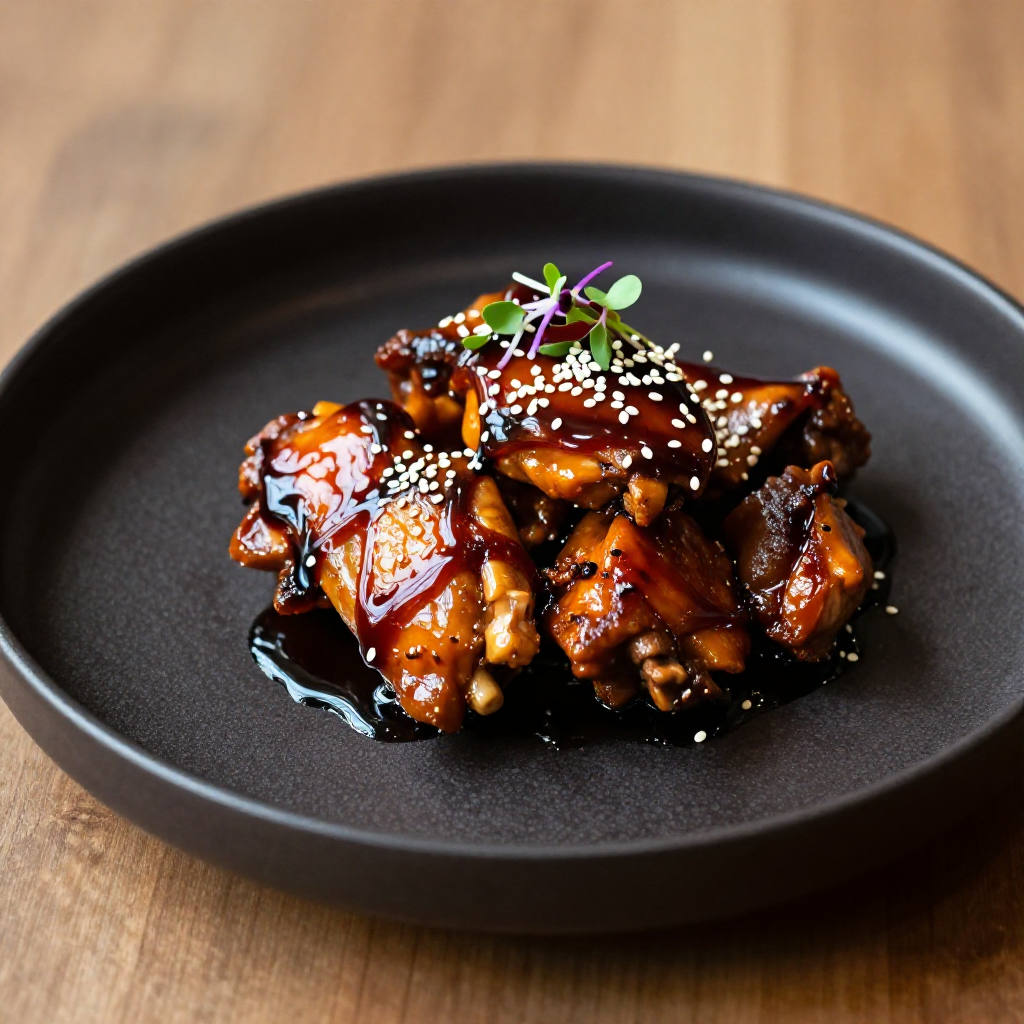
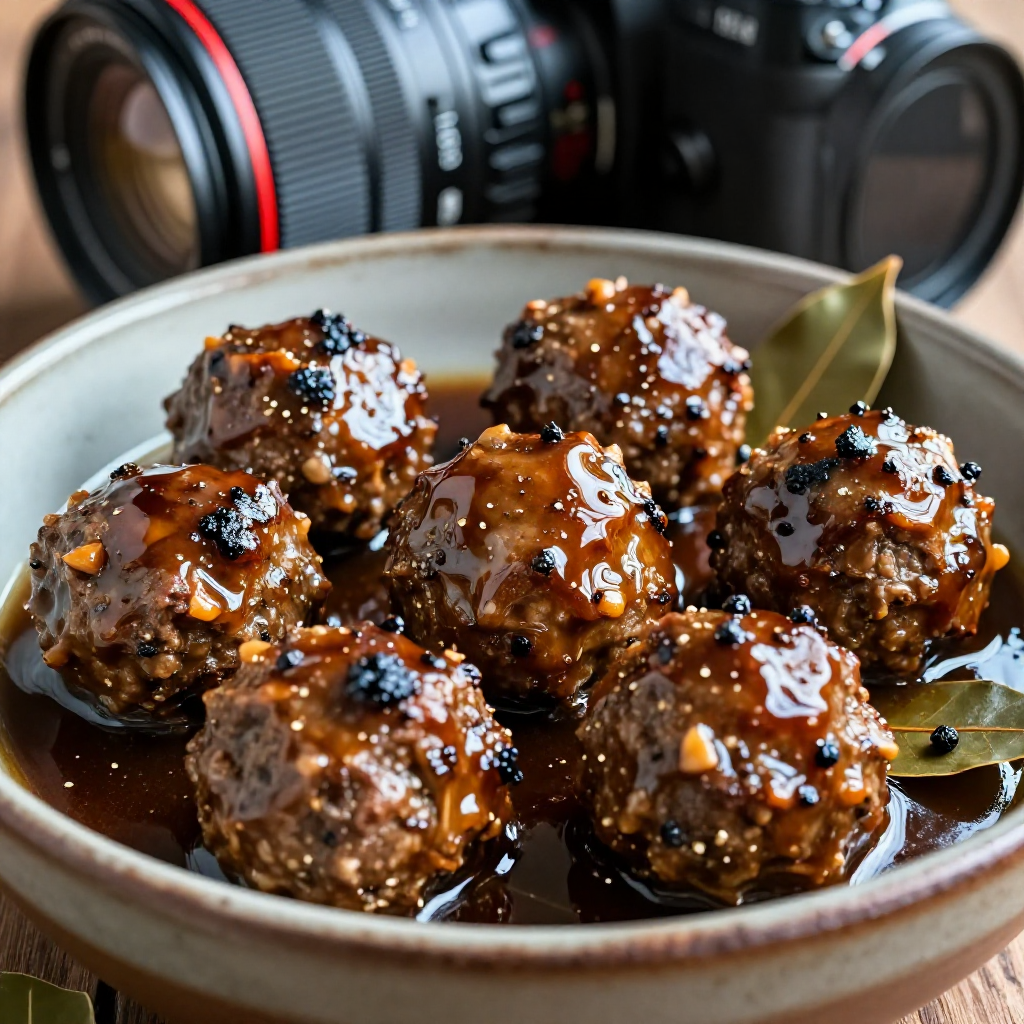
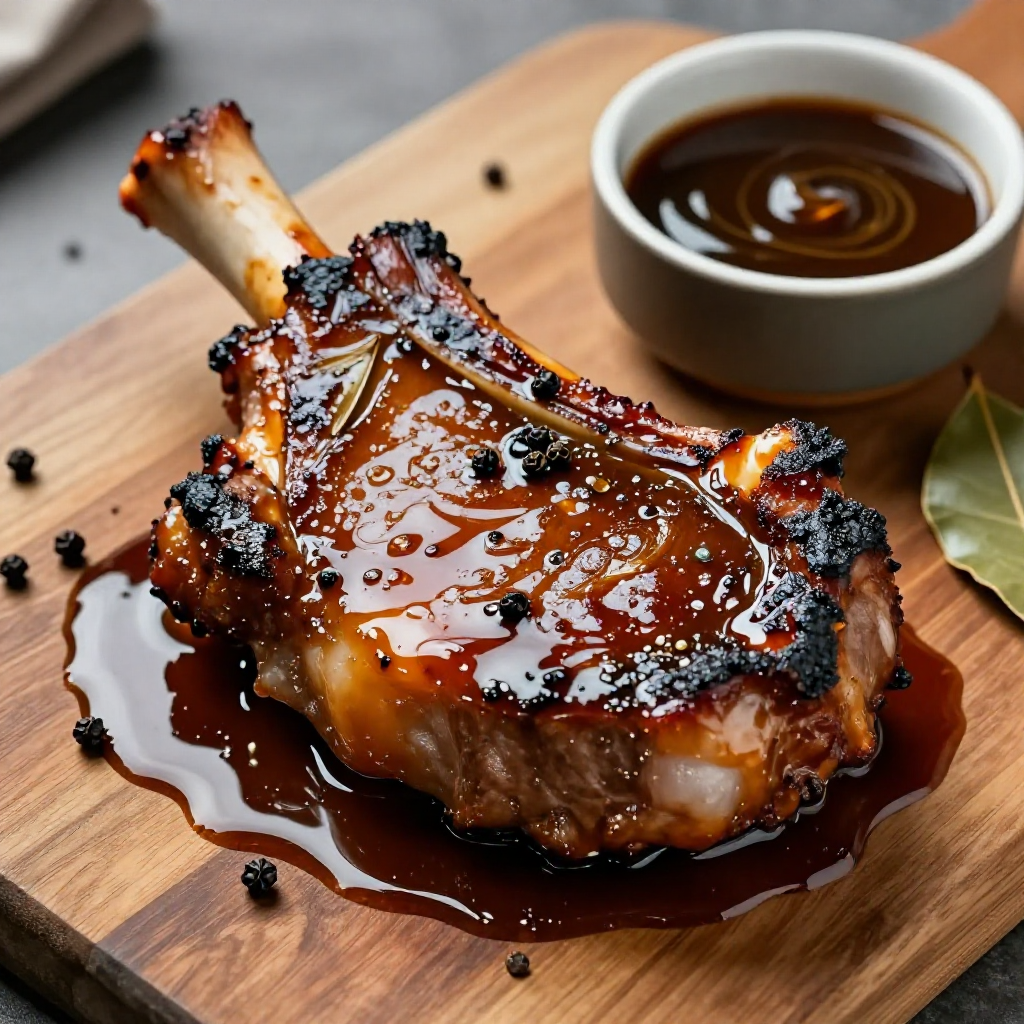
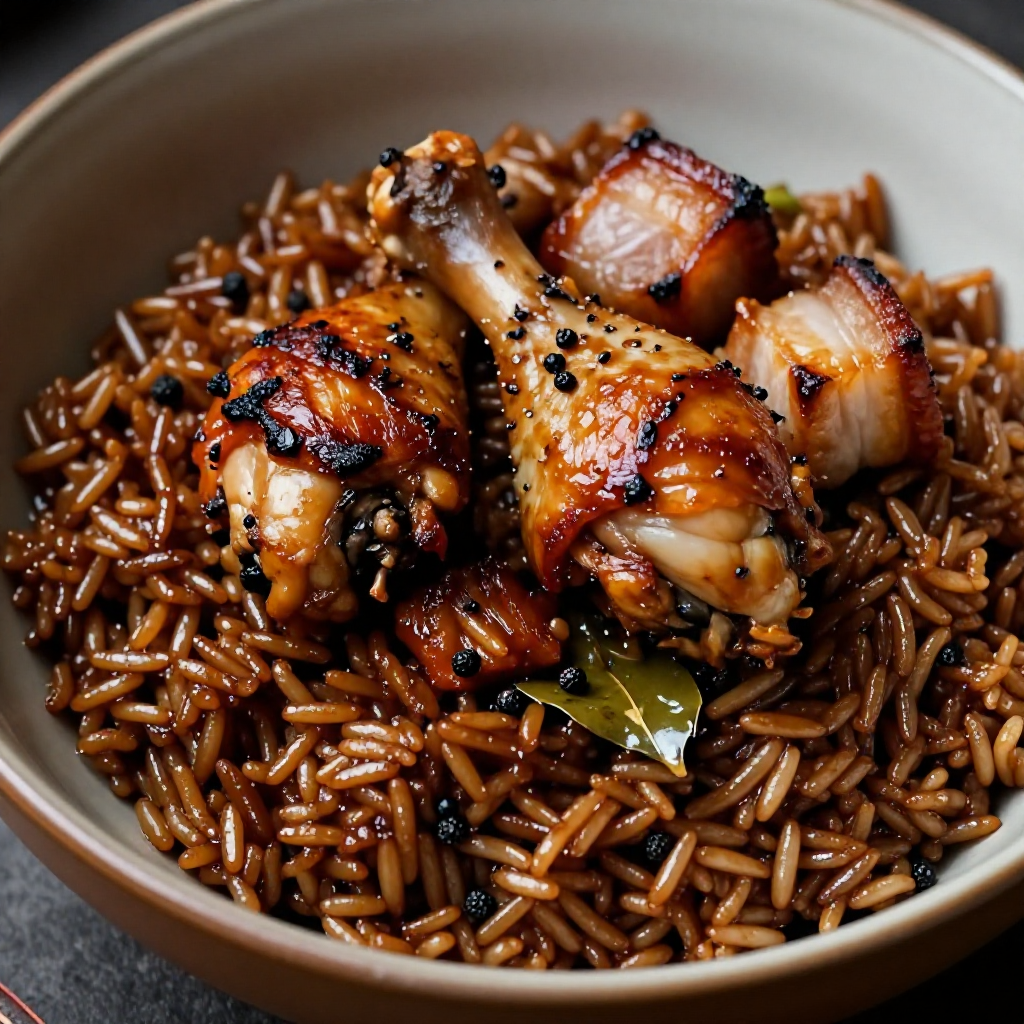
Crispy Adobo Flakes
Adobo flakes deep-fried until golden and crunchy — crispy on the outside, tender on the inside. Served with a tangy dipping sauce.
Instructions
- Shred the pork adobo slices along the grain.
- Mix the flaked pork with its sauce to absorb flavor. Let it sit for 10 minutes.
- Heat a frying pan and pour-in the olive oil.
- When the oil becomes hot, fry the shredded pork in medium heat until the texture becomes crisp.
- Turn-off heat then transfer the fried pork in a plate lined with paper towel. This will absorb the oil.
- Transfer to to a serving plate then serve with sinamak (spiced vinegar).
Kitchen Tools We Recommend
Cook Crispy Adobo Flakes the easy way with the right tools. Shop our favorite kitchen essentials on Amazon — from reliable pots and pans to measuring tools that make Filipino cooking simpler.
🔥 Trending on Amazon right now — these products are selling fast. Check out what's climbing the charts.
As an Amazon Associate, I earn from qualifying purchases.
Pro Tips & Troubleshooting
- For adobo-style dishes, let the vinegar boil uncovered for 2-3 minutes to mellow its raw acidity.
- Use equal parts soy sauce and vinegar for a balanced savory-sour adobo sauce.
- Bay leaves add earthy depth to adobo — add them early but remove before serving if desired.
- Add annatto seeds to the oil for natural golden-orange color in pork dishes.
Cooking Tips
Use a thermometer to maintain oil temperature at 350–375°F (175–190°C). If the oil is too cool, the food absorbs grease; too hot and it burns on the outside before cooking through.
Have all your ingredients prepped and measured before you start cooking — quick dishes leave no time for chopping mid-recipe.
Substitutions
For a low-sodium version, use light soy sauce or dilute regular soy sauce with a splash of water or broth.
Out of cane vinegar? White vinegar, apple cider vinegar, or rice vinegar all work — each brings its own subtle character. Avoid balsamic (too sweet) or distilled white (too harsh).
Lemon or calamansi juice can replace vinegar in most marinades and braises. Add a pinch of sugar to balance the acidity.
Pork alternatives: Chicken thighs work well in most pork recipes (they stay moist like pork does). For a leaner option, use turkey breast or firm tofu.
Storage & Reheating
This dish freezes exceptionally well — portion into freezer-safe containers and store for up to 3 months. Thaw overnight in the refrigerator before reheating.
When reheating frozen portions, add a splash of water or broth to restore the original consistency, as some liquid is absorbed during storage.
Reheat on the stovetop over medium-low heat, adding a splash of water or broth if the sauce has thickened during storage. Microwave in 30-second bursts, stirring between each.
Comments (0)
Leave a comment