Pro Tips
**Chef's Tips & Troubleshooting:**
- Taste and adjust seasoning at each stage, not just at the end.
- Thicken sauces with a cornstarch slurry (cornstarch + cold water) added gradually.
- Balance sweet, sour, salty, and umami — Filipino sauces are all about this harmony.
Cooking Tips
Score the fat cap in a crosshatch pattern before cooking — this helps render the fat evenly and creates a crisper texture. Let pork rest for 5–10 minutes after cooking before slicing. This redistributes juices so every bite stays moist.
Ingredient Substitutions
Out of cane vinegar? White vinegar, apple cider vinegar, or rice vinegar all work — each brings its own subtle character. Avoid balsamic (too sweet) or distilled white (too harsh). Lemon or calamansi juice can replace vinegar in most marinades and braises. Add a pinch of sugar to balance the acidity. Pork alternatives: Chicken thighs work well in most pork recipes (they stay moist like pork does). For a leaner option, use turkey breast or firm tofu. Short on time? A pressure cooker (Instant Pot) can reduce cooking time by roughly half for most braised and stewed Filipino dishes. Reduce liquid slightly since less evaporates.
Storage & Reheating
Store in an airtight container in the refrigerator for up to 3–4 days. The flavors often deepen overnight, making leftovers even more delicious. Reheat on the stovetop over medium-low heat, adding a splash of water or broth if the sauce has thickened during storage. Microwave in 30-second bursts, stirring between each.
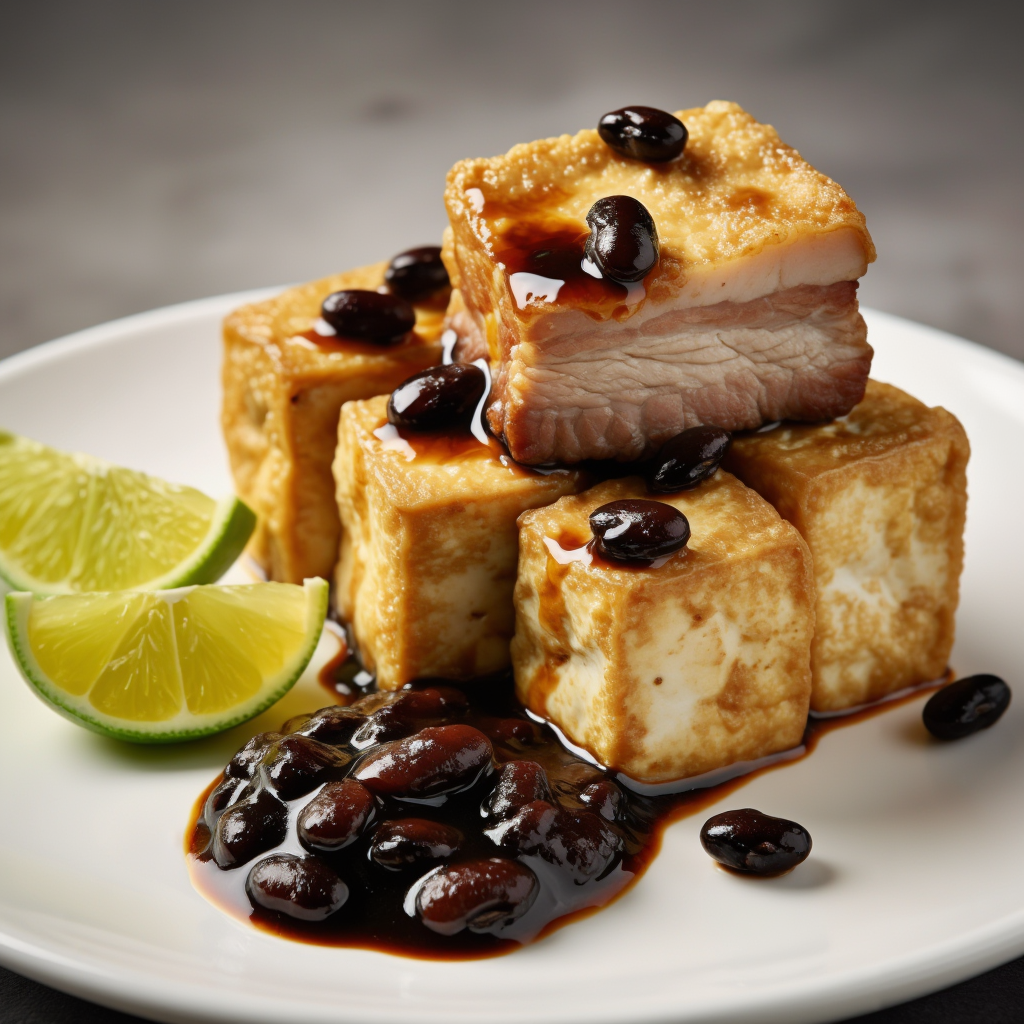
Tokwa't Baboy with Tausi
Golden crispy tofu, fork-tender pork belly with a tangy sauce, and added tausi for that extra dose of yum. Try this Tokwa’t Baboy with Tausi for your next family meal or as an appetizer!
Instructions
- Remove tofu from packaging and drain from packing liquid. Wrap in paper towels, set over a wire rack or colander, and weigh down with a saucer or cup for about 15 to 20 minutes to extract moisture. Cut into 1-inch cubes.
- In a pot on medium heat, combine pork belly, water, vinegar, bay leaf, 1 teaspoon of salt, and ¼ teaspoon pepper.
- Bring to boil uncovered and without stirring for about 3 to 5 minutes. Skim scum that floats on top.
- Lower heat, cover, and cook for about 30 to 40 minutes until meat is tender. Add more water as needed in ½ cup increments to maintain about 1 cup of liquid. Drain meat, reserving liquid.
- Meanwhile, in a pan on medium heat, add about 2 tablespoons of oil and swirl to fully coat the bottom of the pan. Heat until oil begins to shimmer but not smoking.
- Incorporate tofu in a single layer and Cook it until it begins to crisp, then turn to brown to other side. Take them out of the pan and drain on paper towels.
- Alternatively, in deep, wide pan, heat about 2-inches deep of oil until very hot but not smoking. Add tofu in batches and cook, turning as needed, until golden and crisp. Use a slotted spoon, take them out of the pan and drain on paper towels. Set it aside.
- Get a skillet - medium heat and warm up about 1 tablespoon of oil. Add onions and garlic and Cook it until softened.
- Add pork and cook, stirring them around, until golden at the edges.
- Add tomatoes and cook, mashing them with a spoon, until softened and release juices.
- Add reserved liquid and Get it boiling.
- Mix in tausi. Add salt and pepper to taste.
- Add fried tofu and briefly toss until just coated with sauce. Serve while hot.
- Cut the pork in uniform size to ensure even cooking.
- Wait until the tofu begins to brown before turning, or it will stick to the pan and fall apart.
- Very briefly, toss the tofu in the mixture just until coated with sauce to maintain texture.
Kitchen Tools We Recommend
Cook Tokwa't Baboy with Tausi the easy way with the right tools. Shop our favorite kitchen essentials on Amazon — from reliable pots and pans to measuring tools that make Filipino cooking simpler.
🔥 Trending on Amazon right now — these products are selling fast. Check out what's climbing the charts.
As an Amazon Associate, I earn from qualifying purchases.
Pro Tips & Troubleshooting
- Taste and adjust seasoning at each stage, not just at the end.
- Thicken sauces with a cornstarch slurry (cornstarch + cold water) added gradually.
- Balance sweet, sour, salty, and umami — Filipino sauces are all about this harmony.
Cooking Tips
Let pork rest for 5–10 minutes after cooking before slicing. This redistributes juices so every bite stays moist.
Substitutions
Lemon or calamansi juice can replace vinegar in most marinades and braises. Add a pinch of sugar to balance the acidity.
Pork alternatives: Chicken thighs work well in most pork recipes (they stay moist like pork does). For a leaner option, use turkey breast or firm tofu.
Short on time? A pressure cooker (Instant Pot) can reduce cooking time by roughly half for most braised and stewed Filipino dishes. Reduce liquid slightly since less evaporates.
Storage & Reheating
Reheat on the stovetop over medium-low heat, adding a splash of water or broth if the sauce has thickened during storage. Microwave in 30-second bursts, stirring between each.
Comments (0)
Leave a comment