Pro Tips
**Chef's Tips & Troubleshooting:**
- Pat fish completely dry before frying — moisture is the enemy of crispy coating.
- Fry fish in batches to maintain oil temperature and prevent sticking.
- Marinate fish in vinegar and calamansi for no more than 30 minutes, or the acid starts cooking it raw (like ceviche).
Cooking Tips
Seafood cooks quickly — remove it from heat the moment it turns opaque and flakes easily with a fork. Overcooking makes it tough and rubbery. Pat shellfish dry before adding to the pan so they sear rather than steam. A hot, quick cook preserves their natural sweetness.
Ingredient Substitutions
Short on time? A pressure cooker (Instant Pot) can reduce cooking time by roughly half for most braised and stewed Filipino dishes. Reduce liquid slightly since less evaporates.
Storage & Reheating
Store in an airtight container in the refrigerator for up to 3–4 days. The flavors often deepen overnight, making leftovers even more delicious. Seafood dishes are best consumed within 1–2 days. Reheat gently — microwave on low power or warm in a covered skillet over low heat to avoid overcooking. Do not refreeze thawed seafood dishes. Once reheated, consume immediately and do not re-refrigerate. Reheat on the stovetop over medium-low heat, adding a splash of water or broth if the sauce has thickened during storage. Microwave in 30-second bursts, stirring between each.
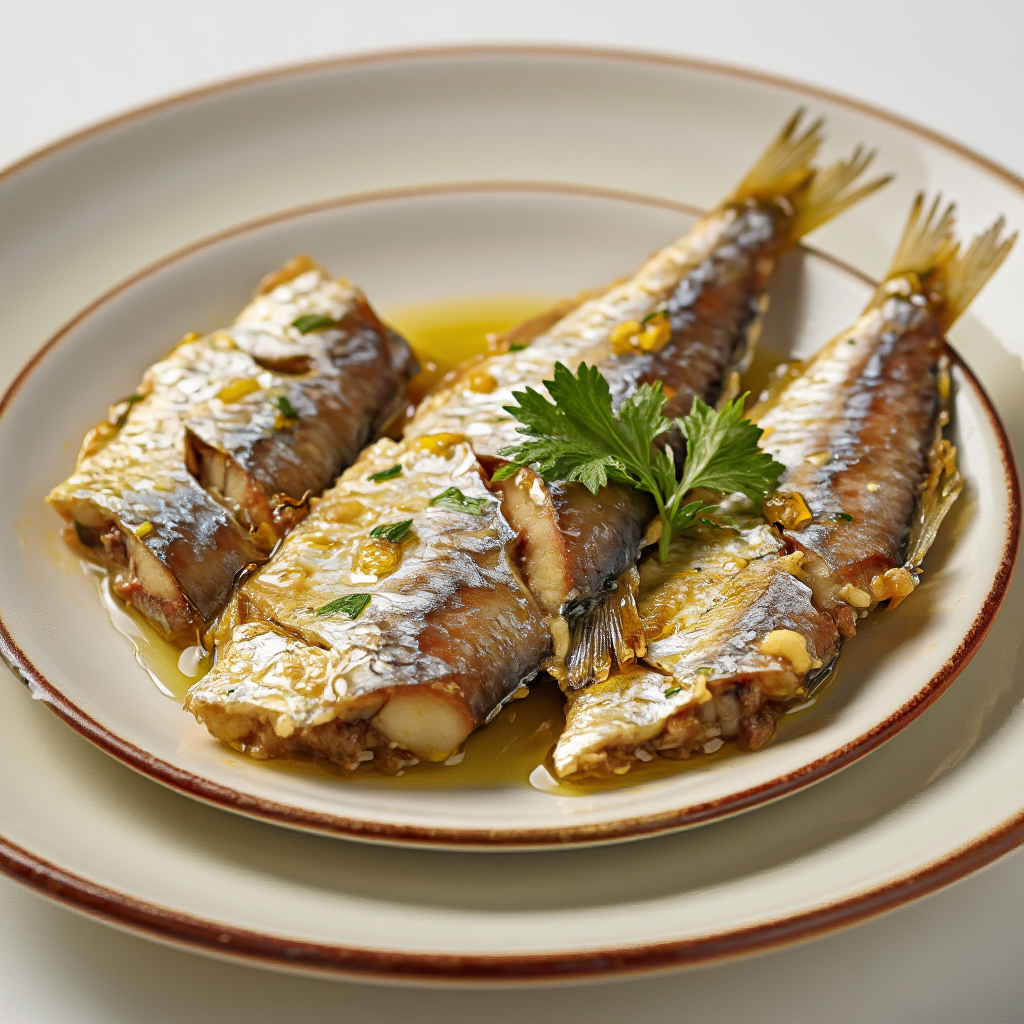
Spanish-style Sardines Bangus in Oil
Fresh rock salt, bangus, gutted, and cut into serving portions but leaving scales intact, bay leaves and carrot, peeled and cut into florets cooked the Filipino way — savory, satisfying, and best served with steamed rice.
Instructions
- Prepare soaking solution. Combine 6 cups cold water and ¾ cup rock salt in a large bowl and stir until salt is dissolved.
- Prepare the milkfish. Clean and gut the fish, leaving the scales intact. Slice into serving portions, considering the size of the jars you use for storage. Soak in a salt solution for 30 minutes to improve flavor and help the fish retain moisture.
- Arrange the ingredients in the pot. First, layer the bay leaves, carrots, and garlic on the bottom of the pressure cooker to prevent the milkfish from sticking. Arrange the fish in a single layer over the carrots and aromatics. Top with the sliced sweet pickles, pitted green olives, chili peppers, and peppercorns. Season it with rock salt. If using regular table salt, decrease the amount.
- Pour the olive oil over the fish. If substituting, use a neutral-tasting oil, lest it affect the dish's flavor.
- Add enough water to cover the milkfish at about one inch. Depending on the width of your pressure cooker, it will take about 2 to 3 cups. This will look like a lot of liquid, but the water will evaporate during cooking, leaving only the oil.
- Pressure cook. The cooking time begins when the pressure cooker valve whistles, meaning the inside has come to pressure.
- Serve this homemade sardine bangus with piping hot steamed rice for breakfast, lunch, or dinner. You can also enjoy it as a sandwich filling for tasty bread or pandesal for a midday snack.
- Toss leftovers with chopped onions, minced chili peppers, and freshly squeezed calamansi juice to make a quick version of Bangus sisig. It's excellent as an appetizer!
- To prolong the storage life, use sterilized jars. Follow the steps below and visit the National Center for Food Preservation for canning guidelines.
- Check jars for any cracks or chips. Discard the jars if there are any.
- Wash empty jars in hot water with detergent, rinse well by hand, or wash in a dishwasher. Unrinsed detergents may cause unnatural flavors and colors. Soak for a few hours in a solution containing 1 cup of vinegar (5 percent acidity) per gallon of water to remove any scale or hard-water films.
- To sterilize, place the cleaned jars side up on the rack in a boiling-water canner and fill the canner and jars with hot (not boiling) water to 1 inch above the tops of the jars. Boil for 10 minutes at altitudes of less than 1,000 ft. Add an extra one minute for boiling time for each 1,000 ft elevation.
- When ready to fill, remove and drain hot sterilized jars one at a time.
Kitchen Tools We Recommend
Cook Spanish-style Sardines Bangus in Oil the easy way with the right tools. Shop our favorite kitchen essentials on Amazon — from reliable pots and pans to measuring tools that make Filipino cooking simpler.
🔥 Trending on Amazon right now — these products are selling fast. Check out what's climbing the charts.
As an Amazon Associate, I earn from qualifying purchases.
Pro Tips & Troubleshooting
- Pat fish completely dry before frying — moisture is the enemy of crispy coating.
- Fry fish in batches to maintain oil temperature and prevent sticking.
- Marinate fish in vinegar and calamansi for no more than 30 minutes, or the acid starts cooking it raw (like ceviche).
Cooking Tips
Pat shellfish dry before adding to the pan so they sear rather than steam. A hot, quick cook preserves their natural sweetness.
Substitutions
Storage & Reheating
Seafood dishes are best consumed within 1–2 days. Reheat gently — microwave on low power or warm in a covered skillet over low heat to avoid overcooking.
Do not refreeze thawed seafood dishes. Once reheated, consume immediately and do not re-refrigerate.
Reheat on the stovetop over medium-low heat, adding a splash of water or broth if the sauce has thickened during storage. Microwave in 30-second bursts, stirring between each.
Comments (0)
Leave a comment