Pro Tips
**Chef's Tips & Troubleshooting:**
- Make sure the pan and oil are hot before adding ingredients for the best sear.
- Fry in batches to avoid overcrowding — lowering the temperature makes food greasy.
- Do not overcook the noodles — they will continue to soften when stir-fried in the pan.
- Let frozen seafood thaw completely in the refrigerator before cooking for even texture.
Cooking Tips
For the most tender results, cook low and slow — a gentle simmer (not a vigorous boil) breaks down connective tissue without drying out the meat. Taste and adjust seasoning toward the end of cooking. As liquids reduce, flavors concentrate, so what tastes balanced early may become too salty later.
Ingredient Substitutions
Short on time? A pressure cooker (Instant Pot) can reduce cooking time by roughly half for most braised and stewed Filipino dishes. Reduce liquid slightly since less evaporates.
Storage & Reheating
Store in an airtight container in the refrigerator for up to 3–4 days. The flavors often deepen overnight, making leftovers even more delicious. Seafood dishes are best consumed within 1–2 days. Reheat gently — microwave on low power or warm in a covered skillet over low heat to avoid overcooking. Do not refreeze thawed seafood dishes. Once reheated, consume immediately and do not re-refrigerate. Reheat on the stovetop over medium-low heat, adding a splash of water or broth if the sauce has thickened during storage. Microwave in 30-second bursts, stirring between each.
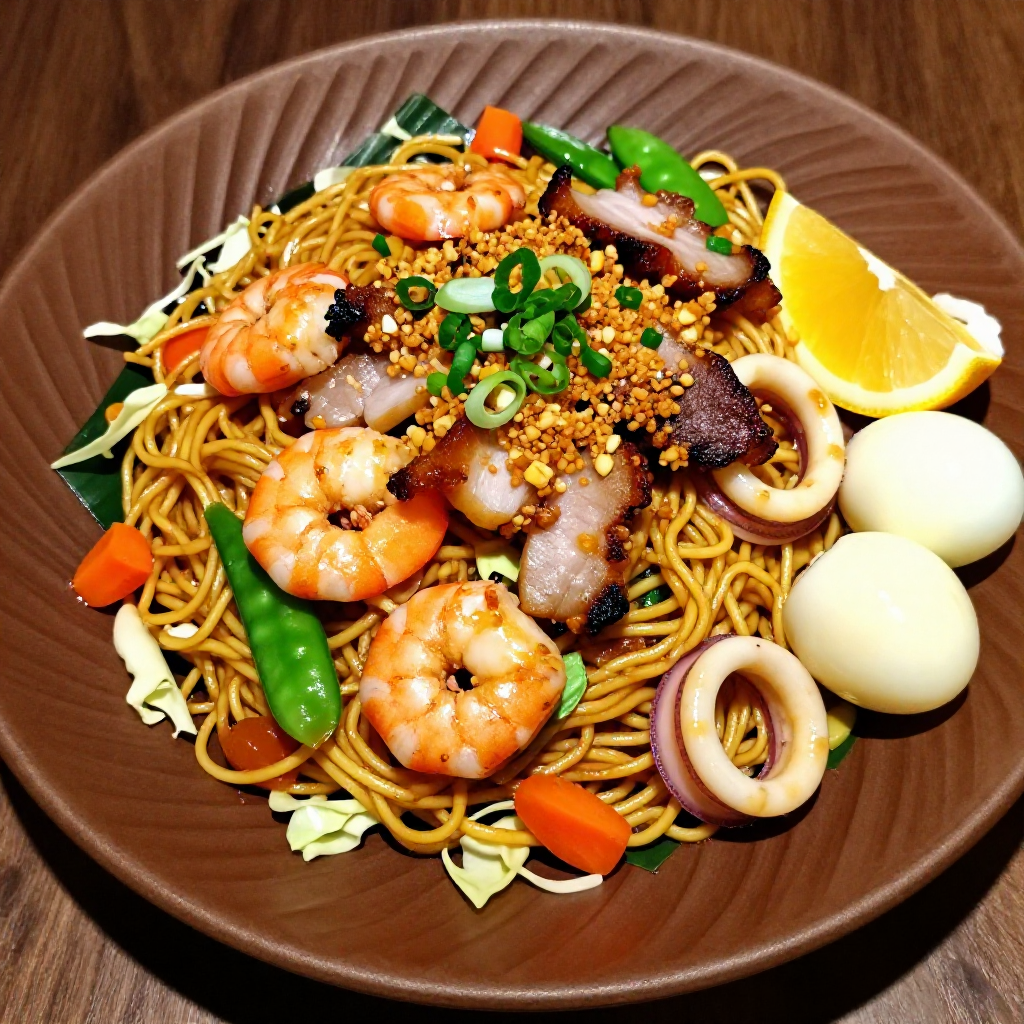
Panlasang Pinoy Special Pancit Canton
Panlasang Pinoy Special Pancit Canton is a loaded Filipino stir fried noodle dish with pork belly, pork liver, kikiam, shrimp, Chinese sausage, and quail eggs tossed in savory homemade stock.
Instructions
- Place the sliced pork liver in a bowl and pour enough milk to cover it completely. Let it soak for at least one hour to draw out the blood and remove any gamey flavor. Drain the milk and rinse the liver under cold water. Pat dry with paper towels and set aside.
- Pour water into a pot and bring it to a rolling boil. Add the pork belly and a teaspoon of salt, then cover the pot. Boil until the pork is fork tender, about 45 minutes to an hour. Remove the pork and slice it into thin strips. Keep the stock in the pot.
- Peel the shrimp and remove the heads, keeping the shells and heads separate. Add the shells and heads to the pork stock and simmer for two to three minutes. Strain the stock through a fine sieve to remove all the solid bits. Stir in the cornstarch while the stock is still warm so it dissolves completely.
- Heat cooking oil in a large wok or wide pan over medium high heat. Sauté the garlic until fragrant, then add the onion and cook until soft. Add the sliced pork belly, kikiam, and Chinese sausage. Sauté for two minutes. Add the pork liver and cook for about one and a half minutes until no longer pink.
- Pour in the oyster sauce and stir to coat all the proteins evenly. Add the cabbage, long green beans, carrots, and bell pepper. Toss quickly. Add the peeled shrimp, soy sauce, and sesame oil. Give everything a good mix. Pour in the prepared stock and let the mixture come to a boil.
- Mix in the Knorr Shrimp cube and stir until it dissolves completely. Cook for about three minutes until the shrimp turns pink and curls up. Add the pre boiled pancit canton noodles to the pan. Toss everything together until the noodles absorb most of the sauce. Season with salt and pepper to taste. Transfer to a large serving platter and top with the boiled quail eggs.
Kitchen Tools We Recommend
Cook Panlasang Pinoy Special Pancit Canton the easy way with the right tools. Shop our favorite kitchen essentials on Amazon — from reliable pots and pans to measuring tools that make Filipino cooking simpler.
🔥 Trending on Amazon right now — these products are selling fast. Check out what's climbing the charts.
As an Amazon Associate, I earn from qualifying purchases.
Pro Tips & Troubleshooting
- Make sure the pan and oil are hot before adding ingredients for the best sear.
- Fry in batches to avoid overcrowding — lowering the temperature makes food greasy.
- Do not overcook the noodles — they will continue to soften when stir-fried in the pan.
- Let frozen seafood thaw completely in the refrigerator before cooking for even texture.
Cooking Tips
Taste and adjust seasoning toward the end of cooking. As liquids reduce, flavors concentrate, so what tastes balanced early may become too salty later.
Substitutions
Storage & Reheating
Seafood dishes are best consumed within 1–2 days. Reheat gently — microwave on low power or warm in a covered skillet over low heat to avoid overcooking.
Do not refreeze thawed seafood dishes. Once reheated, consume immediately and do not re-refrigerate.
Reheat on the stovetop over medium-low heat, adding a splash of water or broth if the sauce has thickened during storage. Microwave in 30-second bursts, stirring between each.
Comments (0)
Leave a comment