Pro Tips
**Chef's Tips & Troubleshooting:**
- Make sure the pan and oil are hot before adding ingredients for the best sear.
- Fry in batches to avoid overcrowding — lowering the temperature makes food greasy.
- Skim the scum that rises to the surface during the first boil for a clear, clean broth.
- Add annatto seeds to the oil for natural golden-orange color in pork dishes.
Cooking Tips
Score the fat cap in a crosshatch pattern before cooking — this helps render the fat evenly and creates a crisper texture. Let pork rest for 5–10 minutes after cooking before slicing. This redistributes juices so every bite stays moist.
Ingredient Substitutions
Pork alternatives: Chicken thighs work well in most pork recipes (they stay moist like pork does). For a leaner option, use turkey breast or firm tofu. Short on time? A pressure cooker (Instant Pot) can reduce cooking time by roughly half for most braised and stewed Filipino dishes. Reduce liquid slightly since less evaporates.
Storage & Reheating
Store in an airtight container in the refrigerator for up to 3–4 days. The flavors often deepen overnight, making leftovers even more delicious. Reheat on the stovetop over medium-low heat, adding a splash of water or broth if the sauce has thickened during storage. Microwave in 30-second bursts, stirring between each.
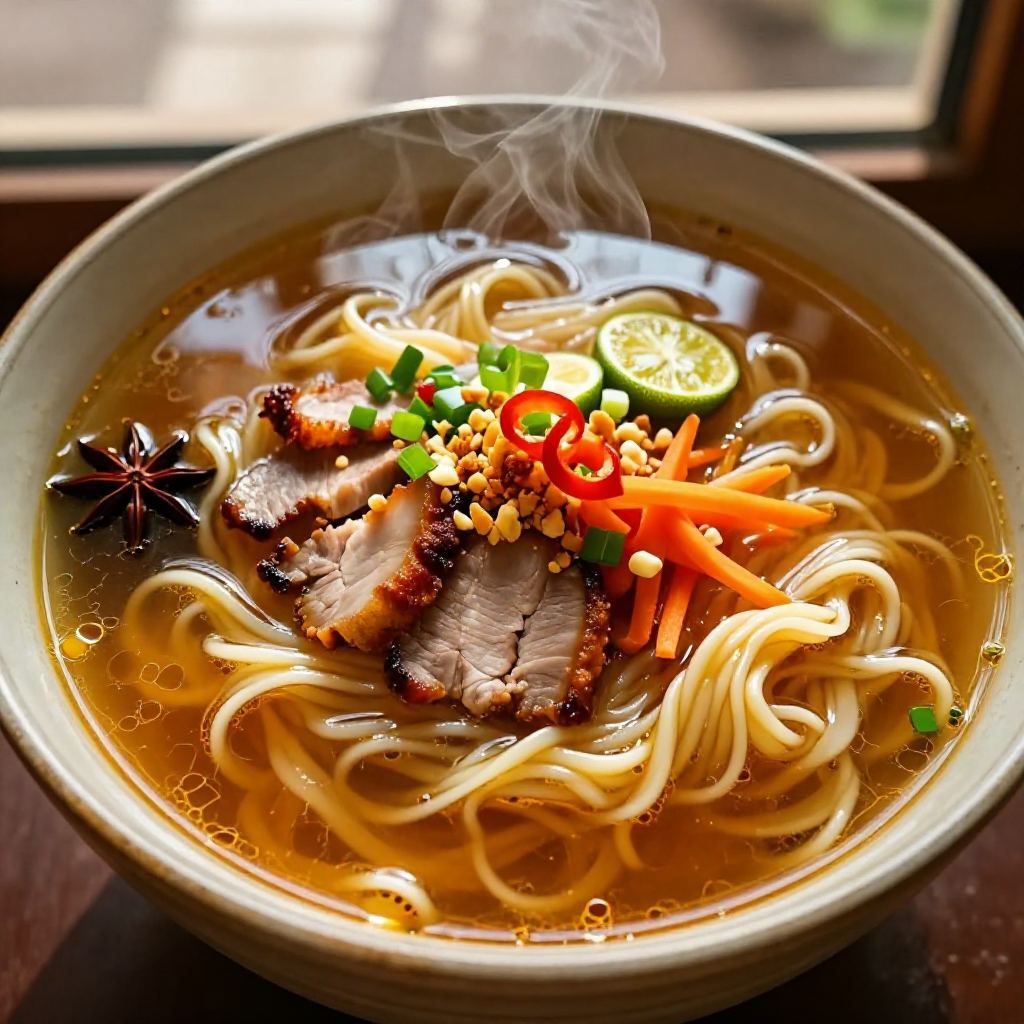
Pancit Bato Noodle Soup
Pancit Bato in hot broth — the thick Bicol noodles served soup-style with pork, vegetables, and a flavorful stock.
Instructions
- Heat oil in a soup pot.
- Once the oil becomes hot, saute the pork until the color turns light to medium brown (around 3 to 4 minutes).
- Pour-in the chicken broth or chicken stock and water. Let boil.
- Cover the soup pot and simmer for 20 minutes or until the pork becomes tender.
- Add-in the snap peas and carrots. Cook for 2 minutes.
- Put-in the cabbage and noodles. Stir and cook for 3 minutes.
- Sprinkle salt and pepper to taste. At this point, you can add more chicken broth (or water) if necessary.
- Transfer to a serving bowl. Serve.
Kitchen Tools We Recommend
Cook Pancit Bato Noodle Soup the easy way with the right tools. Shop our favorite kitchen essentials on Amazon — from reliable pots and pans to measuring tools that make Filipino cooking simpler.
🔥 Trending on Amazon right now — these products are selling fast. Check out what's climbing the charts.
As an Amazon Associate, I earn from qualifying purchases.
Pro Tips & Troubleshooting
- Make sure the pan and oil are hot before adding ingredients for the best sear.
- Fry in batches to avoid overcrowding — lowering the temperature makes food greasy.
- Skim the scum that rises to the surface during the first boil for a clear, clean broth.
- Add annatto seeds to the oil for natural golden-orange color in pork dishes.
Cooking Tips
Let pork rest for 5–10 minutes after cooking before slicing. This redistributes juices so every bite stays moist.
Substitutions
Short on time? A pressure cooker (Instant Pot) can reduce cooking time by roughly half for most braised and stewed Filipino dishes. Reduce liquid slightly since less evaporates.
Storage & Reheating
Reheat on the stovetop over medium-low heat, adding a splash of water or broth if the sauce has thickened during storage. Microwave in 30-second bursts, stirring between each.
Comments (0)
Leave a comment