Pro Tips
**Chef's Tips & Troubleshooting:**
- Simmer the pork until fork-tender, about 45 minutes to 1 hour, depending on the cut used.
- For pork soups, skim the scum that rises to the surface for a clear, clean broth.
- Brown the pork in batches so each piece gets direct contact with the hot pan surface.
- Score the pork skin in a crosshatch pattern for maximum crispiness without cutting into the meat.
Cooking Tips
Score the fat cap in a crosshatch pattern before cooking — this helps render the fat evenly and creates a crisper texture. Let pork rest for 5–10 minutes after cooking before slicing. This redistributes juices so every bite stays moist. True to Ilocano tradition, this Kilawing Labanos pairs wonderfully with a side of steamed rice and fresh bagoong (fermented shrimp paste) for an authentic regional experience.
Ingredient Substitutions
Out of cane vinegar? White vinegar, apple cider vinegar, or rice vinegar all work — each brings its own subtle character. Avoid balsamic (too sweet) or distilled white (too harsh). Lemon or calamansi juice can replace vinegar in most marinades and braises. Add a pinch of sugar to balance the acidity. Pork alternatives: Chicken thighs work well in most pork recipes (they stay moist like pork does). For a leaner option, use turkey breast or firm tofu. Short on time? A pressure cooker (Instant Pot) can reduce cooking time by roughly half for most braised and stewed Filipino dishes. Reduce liquid slightly since less evaporates.
Storage & Reheating
Store in an airtight container in the refrigerator for up to 3–4 days. The flavors often deepen overnight, making leftovers even more delicious. Reheat on the stovetop over medium-low heat, adding a splash of water or broth if the sauce has thickened during storage. Microwave in 30-second bursts, stirring between each.
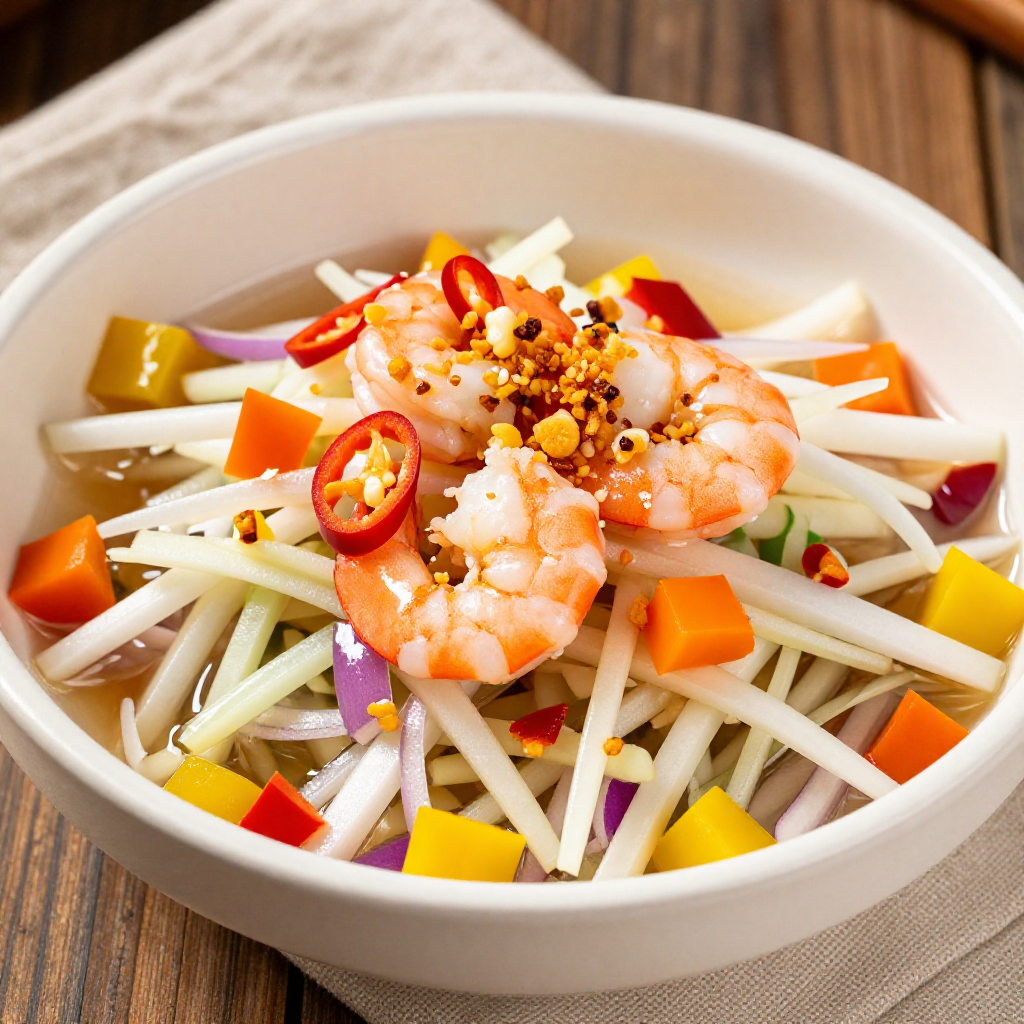
Kilawing Labanos
Made with daikon radish, pork, pork liver and white vinegar — a hearty Filipino dish that's simple to cook and satisfying to share.
Instructions
- Slice the daikon radish into thin pieces. Arrange in a bowl and then add 2 tablespoons salt. Rub salt all over the radish slices and let is stay for 15 minutes. Squeeze the juice out of the radish. Rinse with water until all the salt goes off. Squeeze to release water.
- Combine prepared radish, pork, pork liver, sugar, onion, and white vinegar in a large bowl. Toss until well blended. Marinate for 20 minutes.
- Heat oil in a cooking pot. Saute garlic until golden brown.
- Mix in the marinated mixture. Let boil. Stir and then adjust the heat between low to medium. Cover the pot and continue to cook for 20 to 25 minutes.
- Season with salt and ground black pepper. Serve with warm white rice.
Kitchen Tools We Recommend
Cook Kilawing Labanos the easy way with the right tools. Shop our favorite kitchen essentials on Amazon — from reliable pots and pans to measuring tools that make Filipino cooking simpler.
🔥 Trending on Amazon right now — these products are selling fast. Check out what's climbing the charts.
As an Amazon Associate, I earn from qualifying purchases.
Pro Tips & Troubleshooting
- Simmer the pork until fork-tender, about 45 minutes to 1 hour, depending on the cut used.
- For pork soups, skim the scum that rises to the surface for a clear, clean broth.
- Brown the pork in batches so each piece gets direct contact with the hot pan surface.
- Score the pork skin in a crosshatch pattern for maximum crispiness without cutting into the meat.
Cooking Tips
Let pork rest for 5–10 minutes after cooking before slicing. This redistributes juices so every bite stays moist.
True to Ilocano tradition, this Kilawing Labanos pairs wonderfully with a side of steamed rice and fresh bagoong (fermented shrimp paste) for an authentic regional experience.
Substitutions
Lemon or calamansi juice can replace vinegar in most marinades and braises. Add a pinch of sugar to balance the acidity.
Pork alternatives: Chicken thighs work well in most pork recipes (they stay moist like pork does). For a leaner option, use turkey breast or firm tofu.
Short on time? A pressure cooker (Instant Pot) can reduce cooking time by roughly half for most braised and stewed Filipino dishes. Reduce liquid slightly since less evaporates.
Storage & Reheating
Reheat on the stovetop over medium-low heat, adding a splash of water or broth if the sauce has thickened during storage. Microwave in 30-second bursts, stirring between each.
Comments (0)
Leave a comment