Pro Tips
**Chef's Tips & Troubleshooting:**
- Annatto (atsuete) gives the golden color — steep it in warm water and strain before adding.
- Blend peanut butter with a little warm water first to prevent lumps when adding to the stew.
- Simmer oxtail or pork trotters low and slow (1.5-2 hours) until fork-tender for the best texture.
Cooking Tips
Score the fat cap in a crosshatch pattern before cooking — this helps render the fat evenly and creates a crisper texture. Let pork rest for 5–10 minutes after cooking before slicing. This redistributes juices so every bite stays moist. In true Kapampangan style — the food capital of the Philippines — don't be shy with the seasoning. Pampanga cooking is known for its bold, confident flavors.
Ingredient Substitutions
No fish sauce (patis)? Soy sauce or Worcestershire sauce are decent substitutes in cooked dishes. For a closer match, try anchovy paste dissolved in water. Pork alternatives: Chicken thighs work well in most pork recipes (they stay moist like pork does). For a leaner option, use turkey breast or firm tofu. Short on time? A pressure cooker (Instant Pot) can reduce cooking time by roughly half for most braised and stewed Filipino dishes. Reduce liquid slightly since less evaporates.
Storage & Reheating
Store in an airtight container in the refrigerator for up to 3–4 days. The flavors often deepen overnight, making leftovers even more delicious. Reheat on the stovetop over medium-low heat, adding a splash of water or broth if the sauce has thickened during storage. Microwave in 30-second bursts, stirring between each.
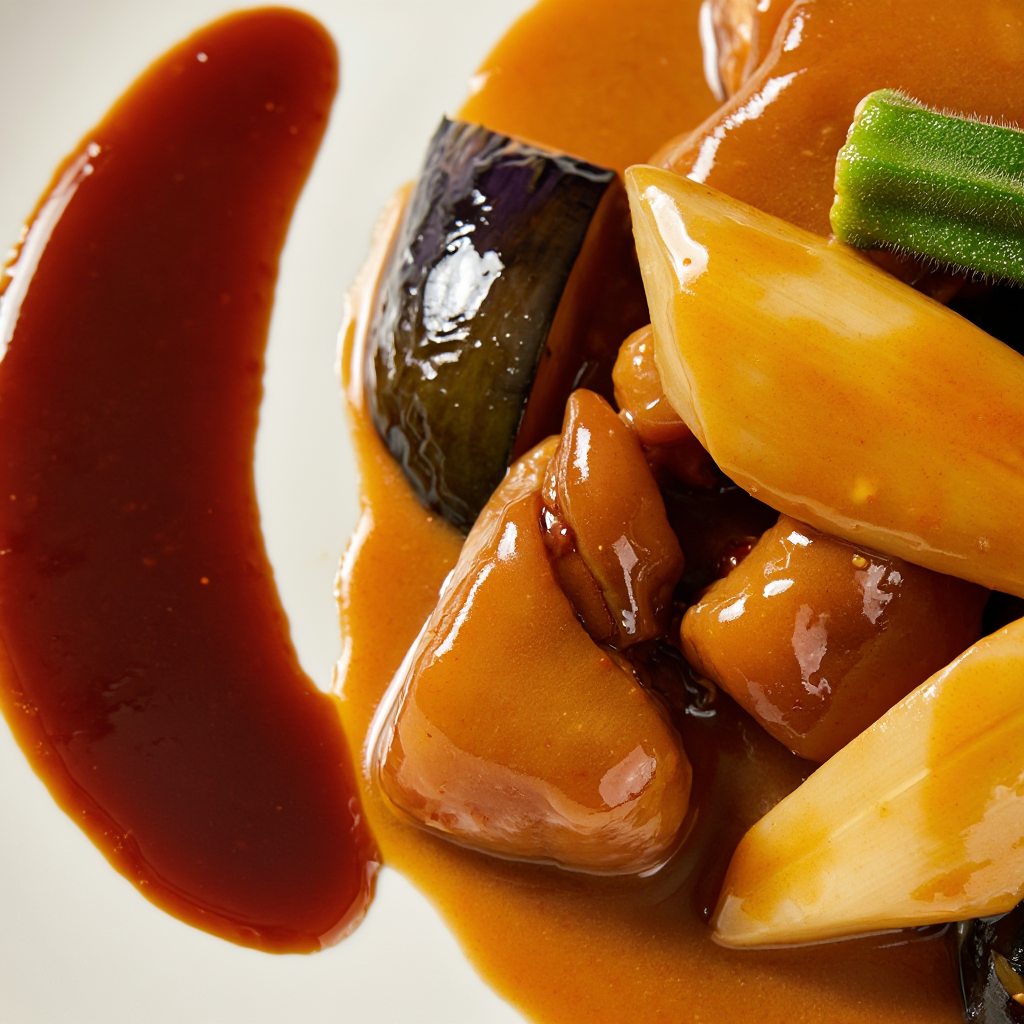
Kare-kareng Pata
Make dinner extra special with kare-kareng pata! It's quicker to make and more economical than its beef counterpart but is just as delicious. The melt-in-your-mouth pork, tender-crisp vegetables, and rich peanut sauce are sure to hit the spot! One kitchen feat I consider my grand culinary victory is learning to make kare-kare from scratch. This uniquely Filipino dish is mostly reserved for special occasions and gatherings for good reason. It is a laborious process, from tenderizing the meat, gri.
Instructions
- Simmer the pork until very tender. Add enough water to cover the meat, and add more in 1 cup increments during cooking to maintain about 7 cups of broth. Drain and reserve the broth for the peanut sauce.
- Toast the rice flour until it gets lightly browned. Mix it with the annatto powder and about a cup of broth to make a slurry. This will thicken and add color to the sauce.
- Blanch the vegetables. Cook in boiling water or steam them until tender-crisp and immediately plunge in iced water to completely cool. This step will help keep their shape and bright color.
- Sauté garlic, onion until they soften and smell nice.
Kitchen Tools We Recommend
Cook Kare-kareng Pata the easy way with the right tools. Shop our favorite kitchen essentials on Amazon — from reliable pots and pans to measuring tools that make Filipino cooking simpler.
🔥 Trending on Amazon right now — these products are selling fast. Check out what's climbing the charts.
As an Amazon Associate, I earn from qualifying purchases.
Pro Tips & Troubleshooting
- Annatto (atsuete) gives the golden color — steep it in warm water and strain before adding.
- Blend peanut butter with a little warm water first to prevent lumps when adding to the stew.
- Simmer oxtail or pork trotters low and slow (1.5-2 hours) until fork-tender for the best texture.
Cooking Tips
Let pork rest for 5–10 minutes after cooking before slicing. This redistributes juices so every bite stays moist.
In true Kapampangan style — the food capital of the Philippines — don't be shy with the seasoning. Pampanga cooking is known for its bold, confident flavors.
Substitutions
Pork alternatives: Chicken thighs work well in most pork recipes (they stay moist like pork does). For a leaner option, use turkey breast or firm tofu.
Short on time? A pressure cooker (Instant Pot) can reduce cooking time by roughly half for most braised and stewed Filipino dishes. Reduce liquid slightly since less evaporates.
Storage & Reheating
Reheat on the stovetop over medium-low heat, adding a splash of water or broth if the sauce has thickened during storage. Microwave in 30-second bursts, stirring between each.
Comments (0)
Leave a comment