Pro Tips
**Chef's Tips & Troubleshooting:**
- If a recipe calls for fresh produce, it matters — canned or frozen substitutes change the texture and brightness of the dish.
- Let meats rest after cooking so the juices redistribute for a more tender result.
- Sauté aromatics (garlic, onion) until fragrant before adding liquids — it builds a deeper flavor base.
Cooking Tips
Score the fat cap in a crosshatch pattern before cooking — this helps render the fat evenly and creates a crisper texture. Let pork rest for 5–10 minutes after cooking before slicing. This redistributes juices so every bite stays moist. Have all your ingredients prepped and measured before you start cooking — quick dishes leave no time for chopping mid-recipe.
Ingredient Substitutions
Pork alternatives: Chicken thighs work well in most pork recipes (they stay moist like pork does). For a leaner option, use turkey breast or firm tofu. Short on time? A pressure cooker (Instant Pot) can reduce cooking time by roughly half for most braised and stewed Filipino dishes. Reduce liquid slightly since less evaporates.
Storage & Reheating
Store in an airtight container in the refrigerator for up to 3–4 days. The flavors often deepen overnight, making leftovers even more delicious. Reheat on the stovetop over medium-low heat, adding a splash of water or broth if the sauce has thickened during storage. Microwave in 30-second bursts, stirring between each.
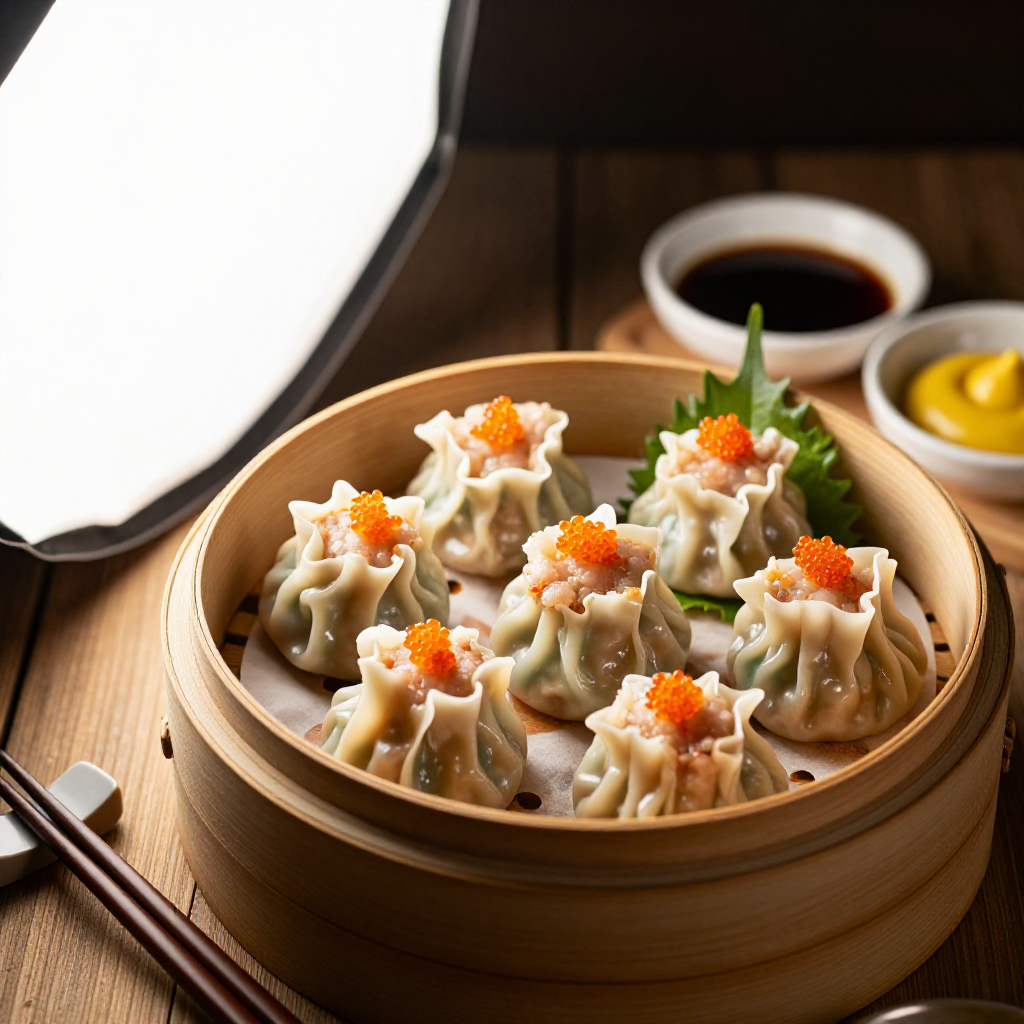
Japanese Shumai
Made with ground pork, shrimp, cabbage and garlic — a hearty Filipino dish that's simple to cook and satisfying to share.
Instructions
- Dice the cabbage finely and mince the garlic and ginger. In a bowl, combine the ground pork, chopped shrimp, diced cabbage, garlic, ginger, Shaoxing wine, soy sauce, and sesame oil. Mix thoroughly.
- Place a tablespoon of filling in the center of each wonton wrapper. Gather the edges together at the top and pinch to seal, forming a classic shumai dome shape. Leave the top open.
- Line steamer baskets with parchment paper or cabbage leaves. Arrange the shumai in the steamer with a little space between each. Steam over boiling water for 8–10 minutes until the pork is cooked through.
- Remove from steamer and arrange on a plate.
- For the dipping sauce, mix soy sauce, a splash of vinegar, sesame oil, and a drop of chili oil in a small bowl.
- Garnish the shumai with a dot of chili paste on top of each, sliced green onions, and a sprinkle of sesame seeds.
- Serve while hot with the dipping sauce on the side.
Kitchen Tools We Recommend
Cook Japanese Shumai the easy way with the right tools. Shop our favorite kitchen essentials on Amazon — from reliable pots and pans to measuring tools that make Filipino cooking simpler.
🔥 Trending on Amazon right now — these products are selling fast. Check out what's climbing the charts.
As an Amazon Associate, I earn from qualifying purchases.
Pro Tips & Troubleshooting
- If a recipe calls for fresh produce, it matters — canned or frozen substitutes change the texture and brightness of the dish.
- Let meats rest after cooking so the juices redistribute for a more tender result.
- Sauté aromatics (garlic, onion) until fragrant before adding liquids — it builds a deeper flavor base.
Cooking Tips
Let pork rest for 5–10 minutes after cooking before slicing. This redistributes juices so every bite stays moist.
Have all your ingredients prepped and measured before you start cooking — quick dishes leave no time for chopping mid-recipe.
Substitutions
Short on time? A pressure cooker (Instant Pot) can reduce cooking time by roughly half for most braised and stewed Filipino dishes. Reduce liquid slightly since less evaporates.
Storage & Reheating
Reheat on the stovetop over medium-low heat, adding a splash of water or broth if the sauce has thickened during storage. Microwave in 30-second bursts, stirring between each.
Comments (0)
Leave a comment