Pro Tips
**Chef's Tips & Troubleshooting:**
- Salt the skin generously before frying — it draws out moisture and creates a crackling crust.
- Fry at the right temperature: too low and it absorbs oil, too high and the outside burns before the inside cooks.
- Score the skin in a crosshatch pattern (without cutting into the meat) for maximum crispiness.
Cooking Tips
Pat the meat completely dry with paper towels before frying — moisture is the enemy of crispiness. Use a thermometer to maintain oil temperature at 350–375°F (175–190°C). If the oil is too cool, the food absorbs grease; too hot and it burns on the outside before cooking through.
Ingredient Substitutions
Pork alternatives: Chicken thighs work well in most pork recipes (they stay moist like pork does). For a leaner option, use turkey breast or firm tofu. Short on time? A pressure cooker (Instant Pot) can reduce cooking time by roughly half for most braised and stewed Filipino dishes. Reduce liquid slightly since less evaporates.
Storage & Reheating
Store in an airtight container in the refrigerator for up to 3–4 days. The flavors often deepen overnight, making leftovers even more delicious. Crispy dishes are best enjoyed fresh — they lose their crunch when stored. If you must store leftovers, reheat in an air fryer or oven at 375°F (190°C) for 5–7 minutes to restore crispiness. Avoid microwaving crispy dishes — the steam makes the coating soggy. Use a toaster oven or stovetop skillet instead. Reheat on the stovetop over medium-low heat, adding a splash of water or broth if the sauce has thickened during storage. Microwave in 30-second bursts, stirring between each.
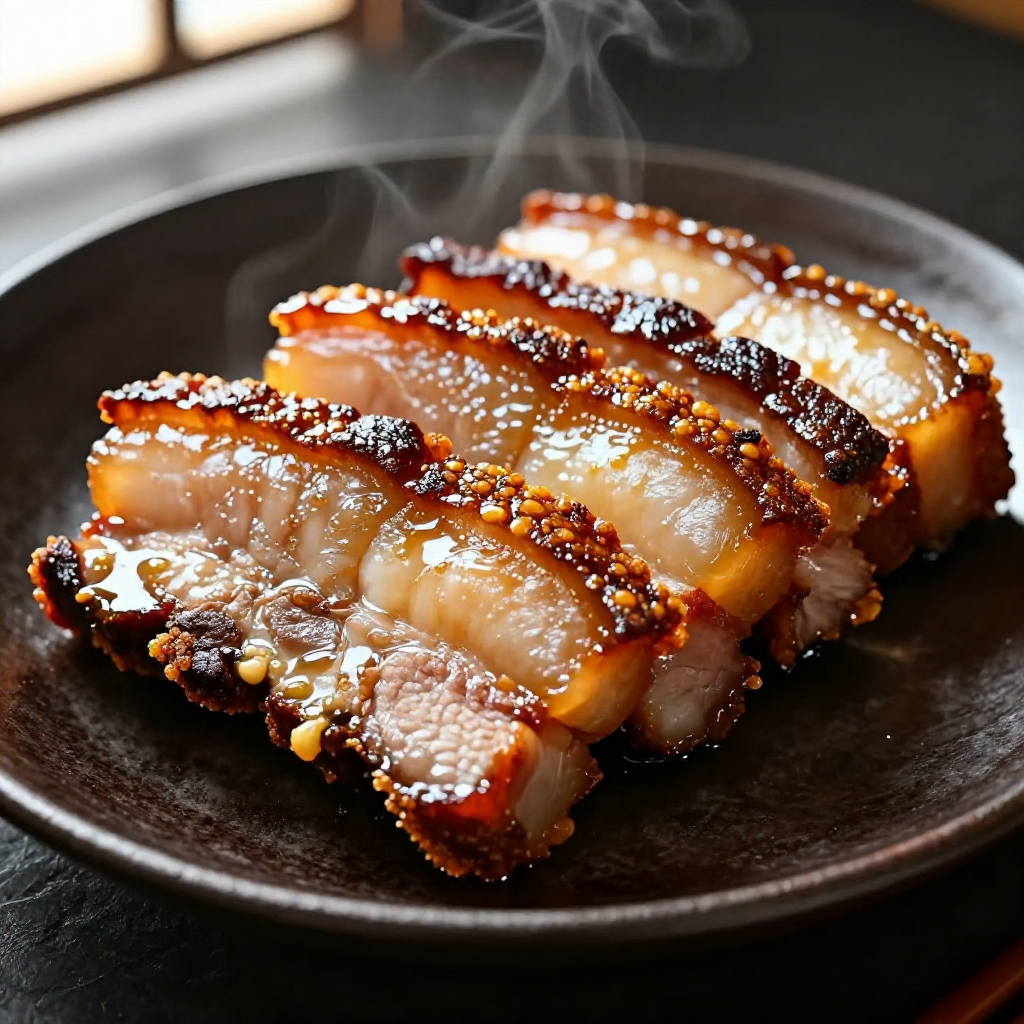
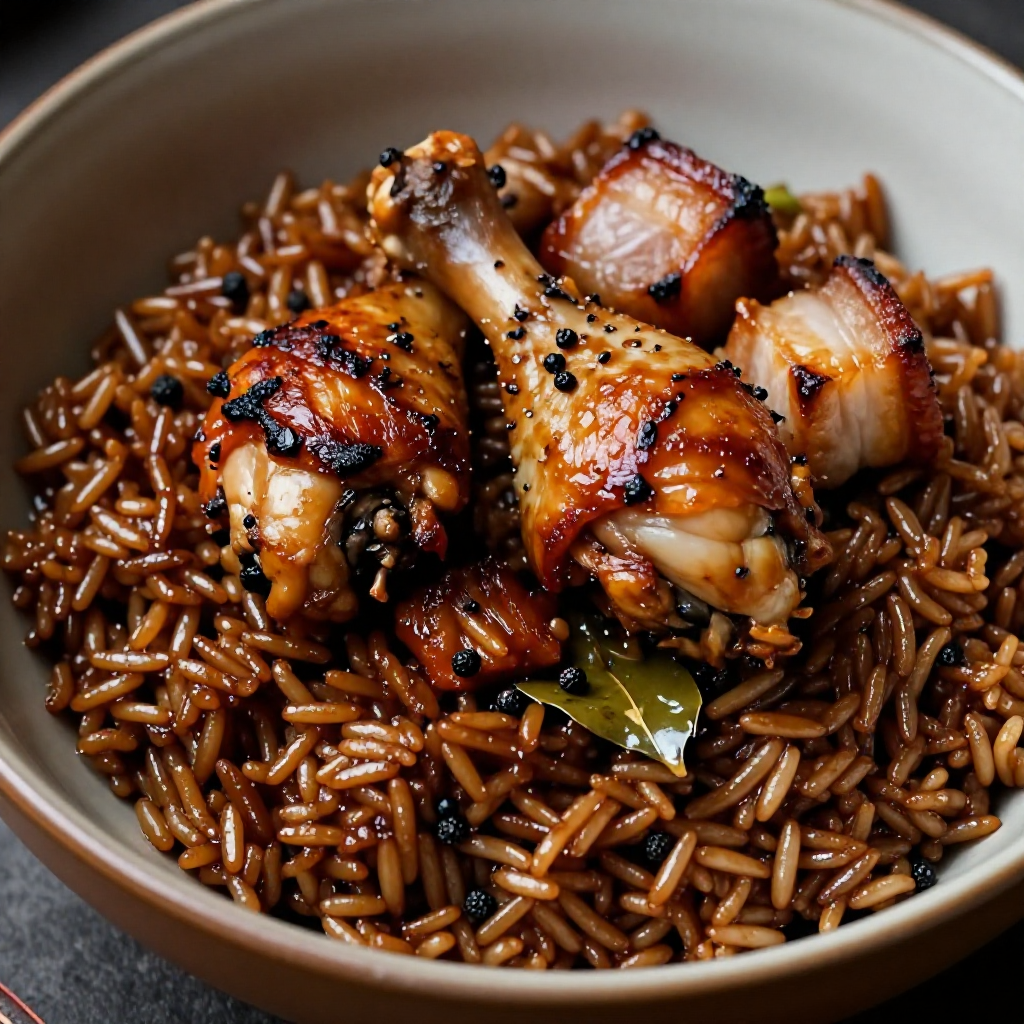
Fried Pork Belly Liempo
Made with pork belly, garlic, calamansi and cornstarch — a hearty Filipino dish that's simple to cook and satisfying to share.
Instructions
- Cut the pork belly into bite-sized strips, about 3cm thick. Trim any large pieces of fat if desired.
- Season the pork belly with minced garlic, salt, and black pepper. Let it sit for 15 minutes.
- Bring to a simmer cooking oil in a deep pot to 300°F (150°C). Submerge the pork belly and cook gently for 15 minutes. This slow fry renders the fat and cooks the meat evenly.
- Remove the pork and increase the oil temperature to 375°F (190°C).
- Dust the pork belly pieces lightly with cornstarch, shaking off excess.
- Return the pork belly to the hot oil for 2–3 minutes until the skin is crispy and golden brown.
- Drain on a wire rack. Best served right away with calamansi wedges for dipping.
Kitchen Tools We Recommend
Cook Fried Pork Belly Liempo the easy way with the right tools. Shop our favorite kitchen essentials on Amazon — from reliable pots and pans to measuring tools that make Filipino cooking simpler.
🔥 Trending on Amazon right now — these products are selling fast. Check out what's climbing the charts.
As an Amazon Associate, I earn from qualifying purchases.
Pro Tips & Troubleshooting
- Salt the skin generously before frying — it draws out moisture and creates a crackling crust.
- Fry at the right temperature: too low and it absorbs oil, too high and the outside burns before the inside cooks.
- Score the skin in a crosshatch pattern (without cutting into the meat) for maximum crispiness.
Cooking Tips
Use a thermometer to maintain oil temperature at 350–375°F (175–190°C). If the oil is too cool, the food absorbs grease; too hot and it burns on the outside before cooking through.
Substitutions
Short on time? A pressure cooker (Instant Pot) can reduce cooking time by roughly half for most braised and stewed Filipino dishes. Reduce liquid slightly since less evaporates.
Storage & Reheating
Crispy dishes are best enjoyed fresh — they lose their crunch when stored. If you must store leftovers, reheat in an air fryer or oven at 375°F (190°C) for 5–7 minutes to restore crispiness.
Avoid microwaving crispy dishes — the steam makes the coating soggy. Use a toaster oven or stovetop skillet instead.
Reheat on the stovetop over medium-low heat, adding a splash of water or broth if the sauce has thickened during storage. Microwave in 30-second bursts, stirring between each.
Comments (0)
Leave a comment