Pro Tips
**Chef's Tips & Troubleshooting:**
- Filipino dishes are built on balance — taste your sauce before serving and add a pinch of sugar or a splash of vinegar if something feels off.
- Let meats rest after cooking so the juices redistribute for a more tender result.
- Sauté aromatics (garlic, onion) until fragrant before adding liquids — it builds a deeper flavor base.
Cooking Tips
Blanch leafy vegetables in boiling salted water for 30–60 seconds, then plunge into ice water. This locks in their bright color and crisp texture. Add vegetables in stages — hard vegetables (carrots, potatoes) go in first, tender ones (leafy greens, beansprouts) at the very end.
Ingredient Substitutions
Short on time? A pressure cooker (Instant Pot) can reduce cooking time by roughly half for most braised and stewed Filipino dishes. Reduce liquid slightly since less evaporates.
Storage & Reheating
Store in an airtight container in the refrigerator for up to 3–4 days. The flavors often deepen overnight, making leftovers even more delicious. Reheat on the stovetop over medium-low heat, adding a splash of water or broth if the sauce has thickened during storage. Microwave in 30-second bursts, stirring between each.
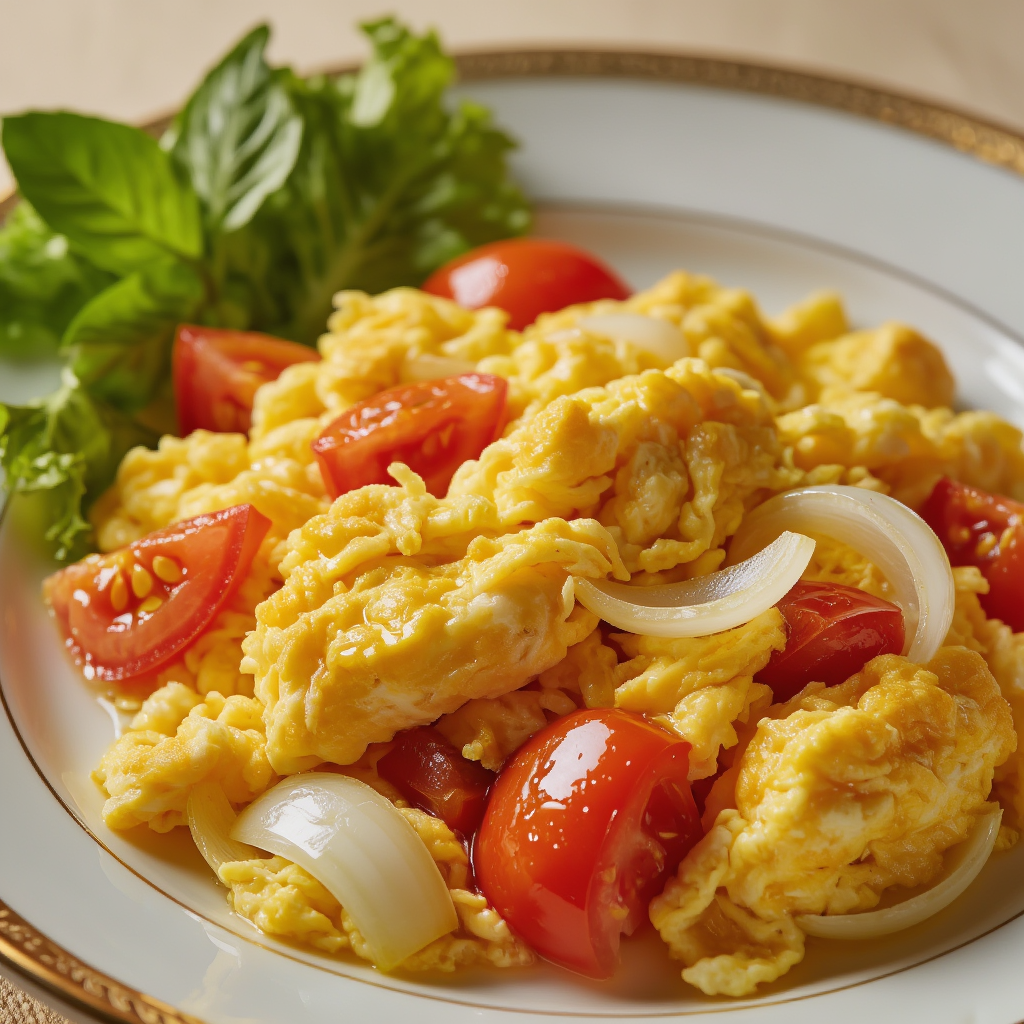
Filipino Scrambled Eggs
Filipino Scrambled Eggs is a classic breakfast dish with tomatoes and onions. It's quick and easy to make yet so hearty and tasty. Perfect for breakfast, brunch, or any meal of the day!
Instructions
- In a big bowl, break the eggs and whisk until fluffy and without streaks of white.
- Add in onion and Cook it until they soften and get fragrant.
- Add tomatoes and cook, mashing with the back of the spoon, until softened and release juice. Season it with salt and pepper until it suits your preference.
- Toss in beaten eggs over the tomato-onion mixture and allow to cook without stirring for about 20 to 30 seconds.
- When it begins to set, gently fold with tomatoes and onions until combined.
- Keep cooking until eggs are just set but still slightly wet.
- Add salt and pepper to taste. Remove from the pan and Best served right away.
- Make sure to whisk the eggs very well to aerate and add volume, creating lighter and fluffier curds. The beaten eggs should be of uniform yellow color, with the whites and yolks completely incorporated together.
- Cook the eggs at low heat. High temps will make the eggs "seize," resulting in hard, dry scrambled eggs.
- Turn off the heat while the eggs are still slightly wet as they will Keep cooking with the residual heat from the pan.
Kitchen Tools We Recommend
Cook Filipino Scrambled Eggs the easy way with the right tools. Shop our favorite kitchen essentials on Amazon — from reliable pots and pans to measuring tools that make Filipino cooking simpler.
🔥 Trending on Amazon right now — these products are selling fast. Check out what's climbing the charts.
As an Amazon Associate, I earn from qualifying purchases.
Pro Tips & Troubleshooting
- Filipino dishes are built on balance — taste your sauce before serving and add a pinch of sugar or a splash of vinegar if something feels off.
- Let meats rest after cooking so the juices redistribute for a more tender result.
- Sauté aromatics (garlic, onion) until fragrant before adding liquids — it builds a deeper flavor base.
Cooking Tips
Add vegetables in stages — hard vegetables (carrots, potatoes) go in first, tender ones (leafy greens, beansprouts) at the very end.
Substitutions
Storage & Reheating
Reheat on the stovetop over medium-low heat, adding a splash of water or broth if the sauce has thickened during storage. Microwave in 30-second bursts, stirring between each.
Comments (0)
Leave a comment