Pro Tips
**Chef's Tips & Troubleshooting:**
- Cook vegetables over high heat quickly to maintain their crunch and bright color.
- Season vegetables with fish sauce or salt sparingly — they absorb seasoning faster than meat.
- For stir-fried vegetables, make sure the pan or wok is very hot before adding oil.
- Use the vegetable cooking water as a light broth base instead of discarding it.
Cooking Tips
For the most tender results, cook low and slow — a gentle simmer (not a vigorous boil) breaks down connective tissue without drying out the meat. Taste and adjust seasoning toward the end of cooking. As liquids reduce, flavors concentrate, so what tastes balanced early may become too salty later.
Ingredient Substitutions
Out of cane vinegar? White vinegar, apple cider vinegar, or rice vinegar all work — each brings its own subtle character. Avoid balsamic (too sweet) or distilled white (too harsh). Lemon or calamansi juice can replace vinegar in most marinades and braises. Add a pinch of sugar to balance the acidity. Short on time? A pressure cooker (Instant Pot) can reduce cooking time by roughly half for most braised and stewed Filipino dishes. Reduce liquid slightly since less evaporates.
Storage & Reheating
Store in an airtight container in the refrigerator for up to 3–4 days. The flavors often deepen overnight, making leftovers even more delicious. Reheat on the stovetop over medium-low heat, adding a splash of water or broth if the sauce has thickened during storage. Microwave in 30-second bursts, stirring between each.
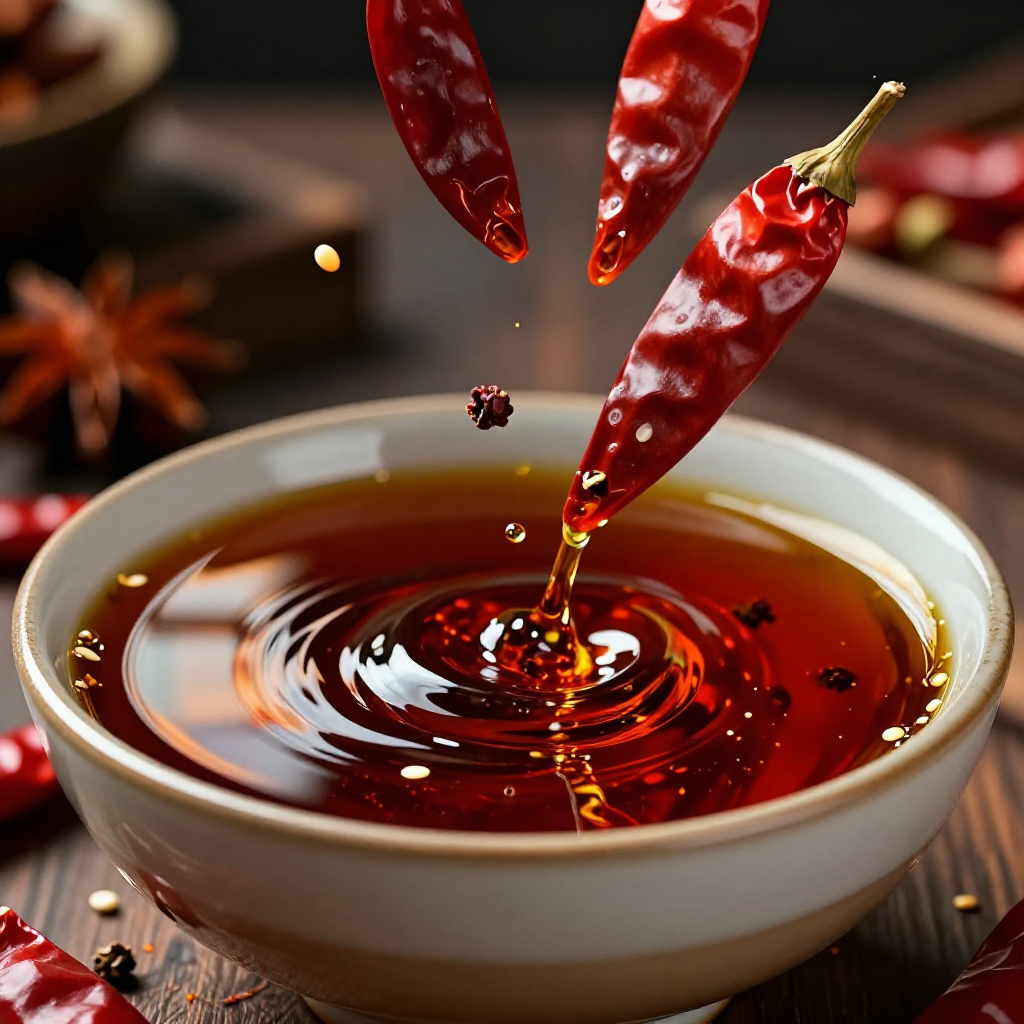
Chili Oil
Finely minced Thai chili peppers and garlic cloves are slowly infused in hot canola oil with dried bay leaves and star anise until the oil turns fragrant and fiery red, creating a versatile spicy and aromatic chili oil condiment.
Instructions
- Combine Thai chili pepper and garlic in a food processor. Blitz for 1 minute or until the ingredients are finely chopped.
- Pour the canola oil in a wok and then add the chili and garlic mixture. Turn on the stove. Adjust the heat to a simmer. Continue cooking the mixture for 10 minutes while occasionally stirring.
- Fold in star anise and dried bay leaves. Continue cooking the mixture for 30 minutes. Note: Stir the mixture every 2 minutes.
- Take off the bay leaves and star anise.
- Add the rice vinegar. Stir and continue simmering for 10 minutes.
- Turn off the stove. Add brown sugar, oyster sauce, and Maggi Magic Sarap. Stir and let the chili oil cool down.
- Transfer it to individual mason jars. You can let keep it in room temperature for a few weeks or refrigerate to extend the shelf life.
- Serve as a condiment or use as an ingredient to spice-up your dish. Enjoy!
Kitchen Tools We Recommend
Cook Chili Oil the easy way with the right tools. Shop our favorite kitchen essentials on Amazon — from reliable pots and pans to measuring tools that make Filipino cooking simpler.
🔥 Trending on Amazon right now — these products are selling fast. Check out what's climbing the charts.
As an Amazon Associate, I earn from qualifying purchases.
Pro Tips & Troubleshooting
- Cook vegetables over high heat quickly to maintain their crunch and bright color.
- Season vegetables with fish sauce or salt sparingly — they absorb seasoning faster than meat.
- For stir-fried vegetables, make sure the pan or wok is very hot before adding oil.
- Use the vegetable cooking water as a light broth base instead of discarding it.
Cooking Tips
Taste and adjust seasoning toward the end of cooking. As liquids reduce, flavors concentrate, so what tastes balanced early may become too salty later.
Substitutions
Lemon or calamansi juice can replace vinegar in most marinades and braises. Add a pinch of sugar to balance the acidity.
Short on time? A pressure cooker (Instant Pot) can reduce cooking time by roughly half for most braised and stewed Filipino dishes. Reduce liquid slightly since less evaporates.
Storage & Reheating
Reheat on the stovetop over medium-low heat, adding a splash of water or broth if the sauce has thickened during storage. Microwave in 30-second bursts, stirring between each.
Comments (0)
Leave a comment