Pro Tips
**Chef's Tips & Troubleshooting:**
- Score the skin of pork belly in a crosshatch pattern for the crispiest crackling.
- Let pork belly rest for 10 minutes after cooking before slicing for neat, clean portions.
- Deglaze the pan with vinegar after searing pork to lift the browned bits into the sauce.
- For braised pork, sear the meat on all sides first to develop a deep brown crust.
Cooking Tips
For the most tender results, cook low and slow — a gentle simmer (not a vigorous boil) breaks down connective tissue without drying out the meat. Taste and adjust seasoning toward the end of cooking. As liquids reduce, flavors concentrate, so what tastes balanced early may become too salty later.
Ingredient Substitutions
No soy sauce? Use tamari (gluten-free), coconut aminos (paleo-friendly), or a mix of fish sauce and water for a different but delicious umami profile. For a low-sodium version, use light soy sauce or dilute regular soy sauce with a splash of water or broth. Pork alternatives: Chicken thighs work well in most pork recipes (they stay moist like pork does). For a leaner option, use turkey breast or firm tofu. Short on time? A pressure cooker (Instant Pot) can reduce cooking time by roughly half for most braised and stewed Filipino dishes. Reduce liquid slightly since less evaporates.
Storage & Reheating
Store in an airtight container in the refrigerator for up to 3–4 days. The flavors often deepen overnight, making leftovers even more delicious. Reheat on the stovetop over medium-low heat, adding a splash of water or broth if the sauce has thickened during storage. Microwave in 30-second bursts, stirring between each.
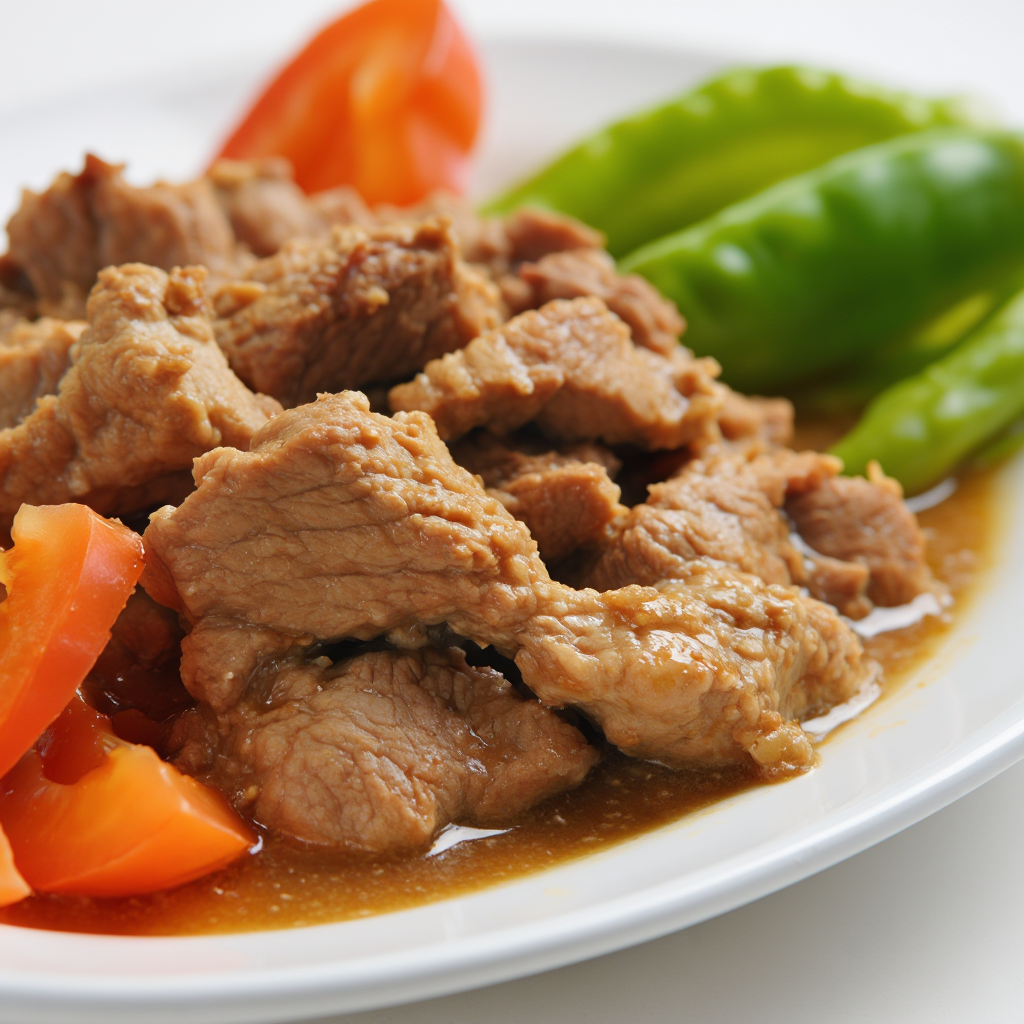
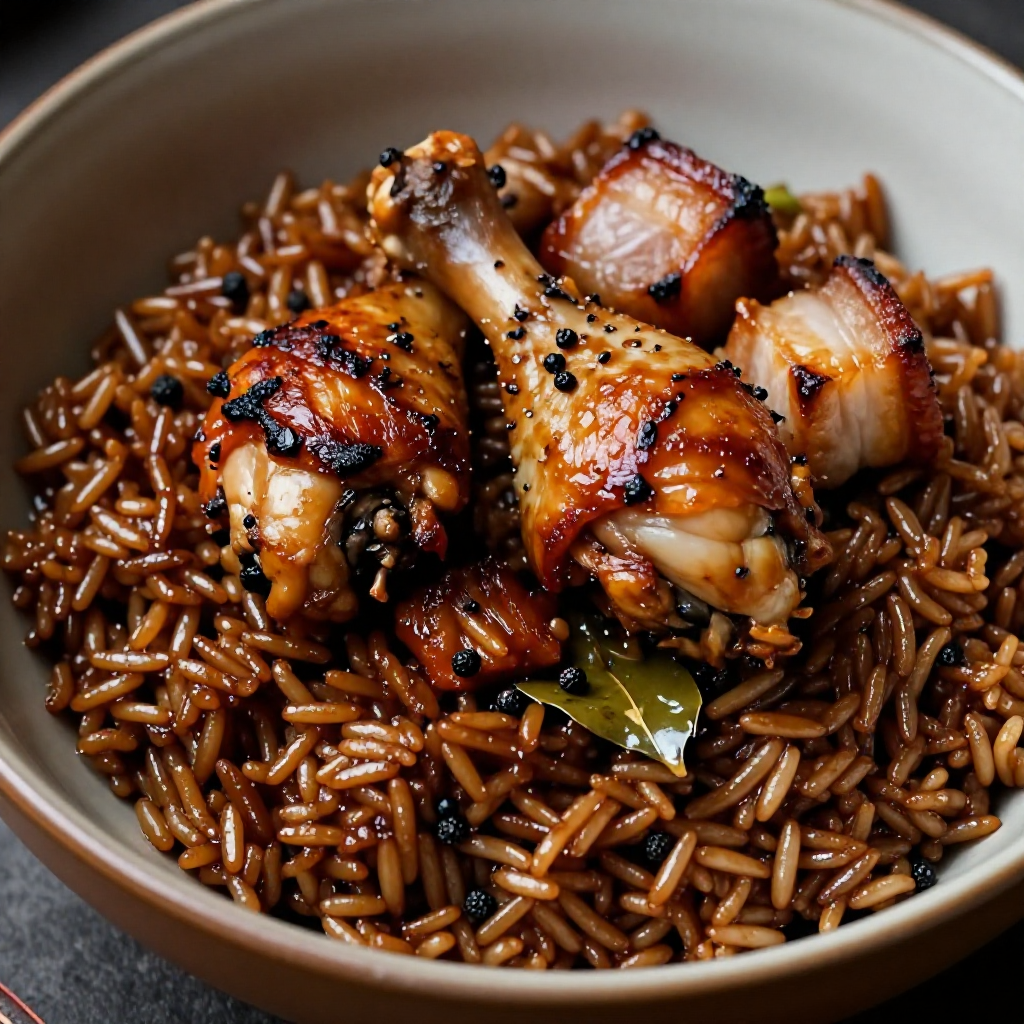
Braised Pork Belly in Soy Sauce (Tau Yew Bak)
Pork belly slow-braised in a savory sauce until fork-tender. The long cooking time melds all the flavors together beautifully.
Instructions
- Combine pork and soy sauce in a bowl. Mix well. Let it stand for at least 30 minutes.
- Prepare the roasted garlic pulp by first slicing the top part of the garlic crosswise to expose the cloves. Boil 2 cups water and then put the garlic head into the pot. Continue to boil in low to medium heat for 8 minutes.
- Preheat oven to 200F. Remove the garlic from the pot . Let it cool down and then rub vegetable oil all over it. Arrange in a baking tray and bake for 30 minutes. Removed from the oven and set aside.
- Place the marinated pork along with the soy sauce in a cooking pot. Start to heat the pot and then cook the pork until light to medium brown.
- Pour the beef broth into the pan (or you can also use water with ½ beef or pork cube/bouillon). Let boil. Add the roasted garlic pulp. Cover and cook in low to medium heat until the pork gets tender. You can add more broth or water if needed.
- Add in the sugar. Stir until diluted.
- Add salt to taste (only if necessary) and then put the tofu and hard-boiled egg into the pot. Cook for 2 to 3 minutes.
- Transfer to a serving plate. Serve.
Kitchen Tools We Recommend
Cook Braised Pork Belly in Soy Sauce (Tau Yew Bak) the easy way with the right tools. Shop our favorite kitchen essentials on Amazon — from reliable pots and pans to measuring tools that make Filipino cooking simpler.
🔥 Trending on Amazon right now — these products are selling fast. Check out what's climbing the charts.
As an Amazon Associate, I earn from qualifying purchases.
Pro Tips & Troubleshooting
- Score the skin of pork belly in a crosshatch pattern for the crispiest crackling.
- Let pork belly rest for 10 minutes after cooking before slicing for neat, clean portions.
- Deglaze the pan with vinegar after searing pork to lift the browned bits into the sauce.
- For braised pork, sear the meat on all sides first to develop a deep brown crust.
Cooking Tips
Taste and adjust seasoning toward the end of cooking. As liquids reduce, flavors concentrate, so what tastes balanced early may become too salty later.
Substitutions
For a low-sodium version, use light soy sauce or dilute regular soy sauce with a splash of water or broth.
Pork alternatives: Chicken thighs work well in most pork recipes (they stay moist like pork does). For a leaner option, use turkey breast or firm tofu.
Short on time? A pressure cooker (Instant Pot) can reduce cooking time by roughly half for most braised and stewed Filipino dishes. Reduce liquid slightly since less evaporates.
Storage & Reheating
Reheat on the stovetop over medium-low heat, adding a splash of water or broth if the sauce has thickened during storage. Microwave in 30-second bursts, stirring between each.
Comments (0)
Leave a comment